Ancient Wisdom Meets Modern Healing
Part 3 of 6: Traditional Healing and Spiritual Practices

QUICK SUMMARY
- Balinese healing (Bali Usada) addresses physical, mental, and spiritual wellbeing
- Melukat purification ceremonies offer profound spiritual cleansing
- Ayurvedic treatments are personalised to your unique body type
- Traditional healers (balians) use ancient methods passed through generations
- Approach these practices with respect and openness for best results
Right, this is where things get interesting. We’ve covered yoga and meditation, practices that feel relatively familiar even if you’re new to them. You’ve probably at least seen yoga classes. You’ve heard about meditation. You’ve got some reference point.
Now we’re venturing into territory that might feel a bit more foreign. Traditional Balinese healing. Purification ceremonies. Energy work. Practices that don’t fit neatly into Western frameworks of health and wellness. This is also where things get really powerful.
I’m not going to pretend I understand all the metaphysics behind these practices. I don’t. But I’ve experienced enough to know that something real happens here. Whether you explain it through energy meridians or nervous system regulation, the placebo effect or spiritual intervention, the results are genuine.
So let’s talk about how to access these ancient healing traditions respectfully and safely.
Balinese Healing: More Than You Expect
[
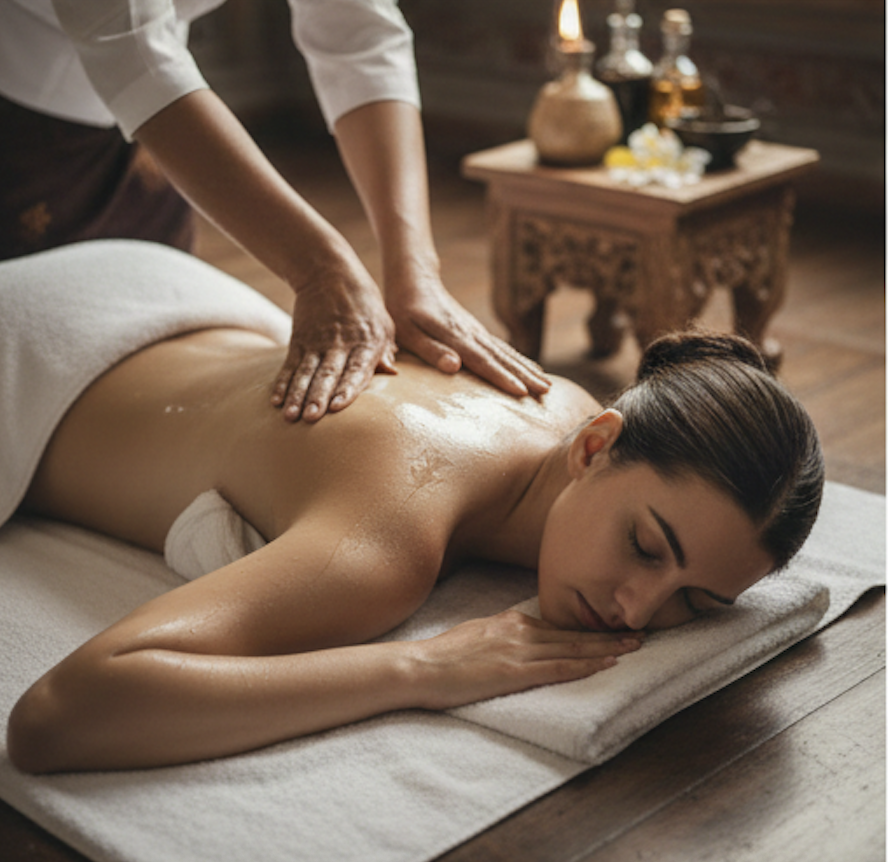
When most tourists think “Balinese healing,” they picture a nice massage with flower petals and aromatherapy oils. That exists, and it’s lovely, but it’s not what I’m talking about here.
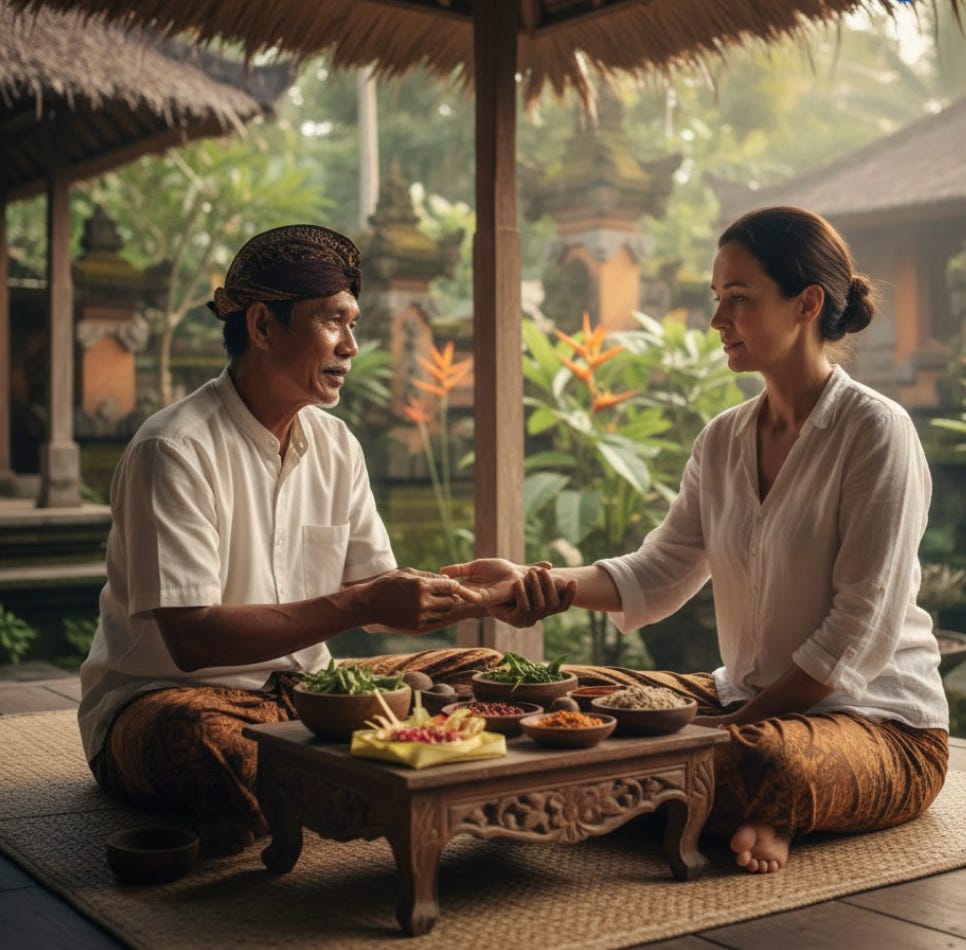
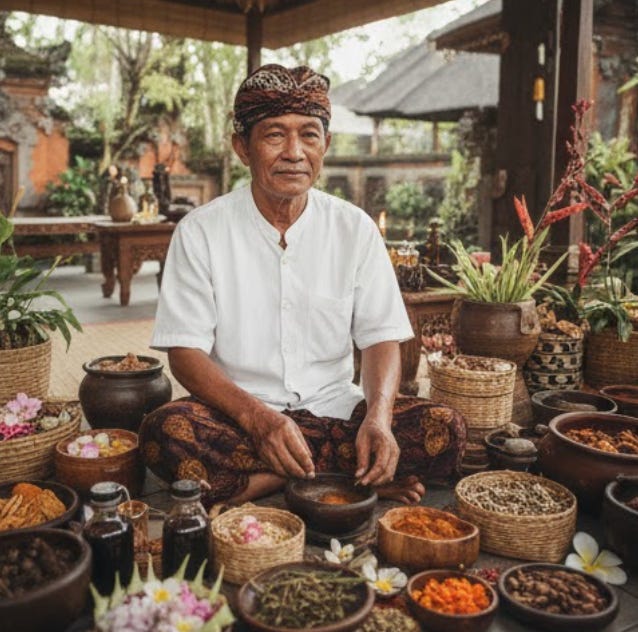
Traditional Balinese healing, called Bali Usada, is a complete system of medicine that’s been practised for centuries. It combines physical treatments with spiritual practices, herbal remedies with energy work, massage with prayer.
What Actually Happens
A session with a traditional healer (balian) is nothing like a spa appointment. You’ll typically start with a conversation. The healer asks about your symptoms, your life, your emotional state. They might ask seemingly random questions that turn out to be surprisingly relevant. They’re assessing not just your physical body but your whole situation.
The treatment itself varies hugely depending on the healer and your needs. It might involve:
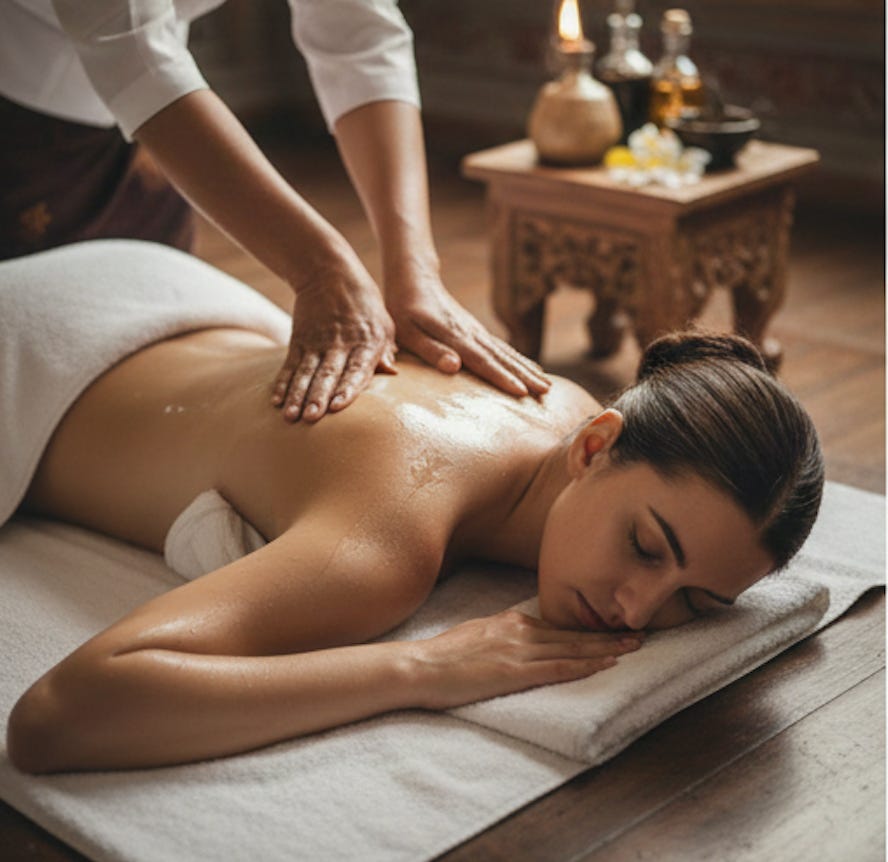
Massage with holy water or traditional oils infused with herbs. This isn’t a relaxation massage. It can be quite firm, working deep into muscles and energy points.
Herbal remedies prepared specifically for you. These might be drunk as teas, applied as pastes, or used in baths. Common ingredients include turmeric, ginger, and various local plants.
Energy healing where the healer works around your body without necessarily touching you. You might feel heat, tingling, or other sensations. Or you might feel nothing but somehow feel better afterwards.
Prayers and mantras in Balinese or Sanskrit. The healer might blow on certain parts of your body, make specific sounds, or perform rituals that seem quite elaborate.
Specific exercises or movements you’re instructed to do during or after treatment.
The whole thing might last 30 minutes or two hours. It’s unpredictable, which is part of the point. You’re being treated as an individual, not processed through a standardised system.
The Boreh Treatment
One traditional treatment that’s become popular with tourists is Boreh. This is ancient Balinese folk medicine, originally used by rice field workers to ease muscle pain and improve circulation.
A paste made from ground spices (ginger, turmeric, clove, cinnamon, pepper) is mixed with water and applied all over your body. It warms your skin, smells incredible, and draws out tension from deep in your muscles.
You’re wrapped in blankets to let the heat work, then the paste is gently removed and you’re given a massage with coconut oil. The combination is deeply relaxing and surprisingly effective for muscle soreness.
Many spas offer Boreh now, but the most authentic experiences come from smaller, family-run places rather than fancy resorts.
Finding a Good Healer
[
This is tricky because traditional healers don’t advertise online or have websites with customer reviews. They work through reputation and word of mouth within their communities.
The best way to find a genuine healer is to ask locals. Your accommodation owner, your driver, your yoga teacher. They’ll know who’s respected in the community.
Some names that come up frequently:
- Tjokorda Rai in Ubud is well-known for holistic healing and massage. He’s treated locals for decades and understands both traditional and modern health concepts.
- Ketut Arsana specialises in traditional Balinese massage and energy healing. He’s trained other healers and understands how to work with Western bodies and mindsets.
But honestly, the most powerful experiences often come from healers whose names never reach tourist circuits. The grandmother in a village who’s been healing her community for 40 years. The quiet man whose family has passed down healing knowledge for generations.
Trust recommendations from people who actually live in Bali.
What to Expect (and What Not To)
Go with an open mind but reasonable expectations.
Traditional healing can be remarkably effective for chronic pain, stress-related issues, emotional difficulties, and general well-being. Many people experience profound shifts from a single session. It won’t cure serious illness or replace proper medical care. Any healer who claims to cure cancer or diabetes or serious conditions is either deluded or dishonest.
The experience will probably feel strange. That’s fine. You don’t need to understand everything that’s happening. Just relax and allow the process to unfold.
Afterwards, you might feel tired, energised, emotional, or completely normal. All of these responses are fine. Drink plenty of water and be gentle with yourself for the rest of the day.
Melukat: Purification by Water
[
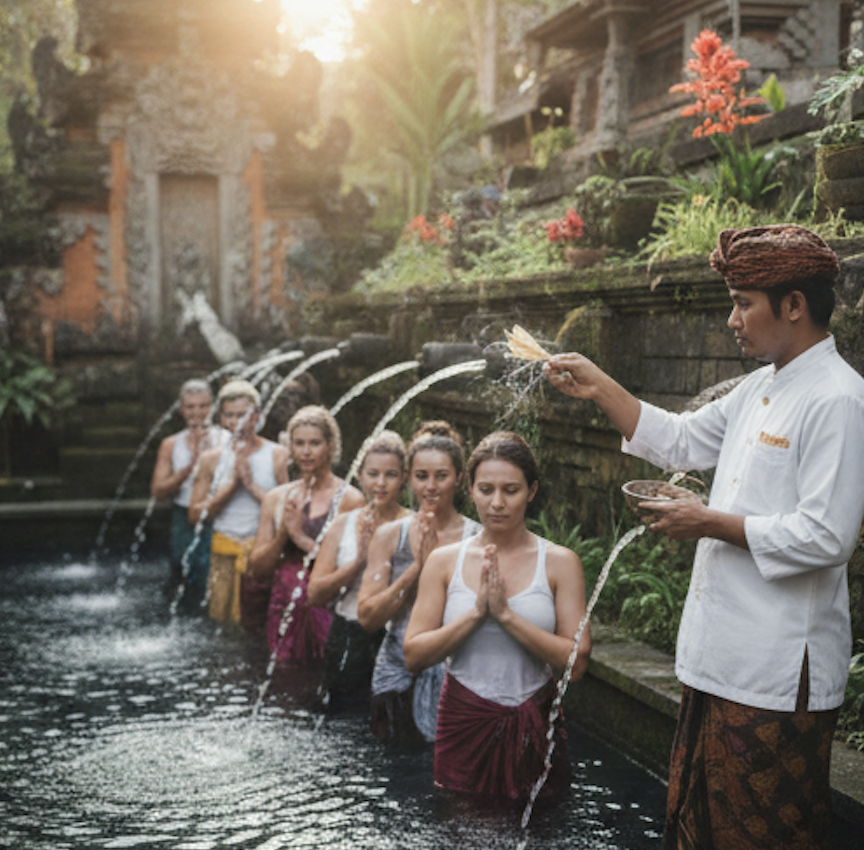
Now we’re getting into properly spiritual territory. Melukat is a traditional Balinese purification ceremony that uses sacred water to cleanse negative energies and restore balance. It’s not tourism. It’s actual religious practice that tourists are graciously permitted to witness and sometimes participate in.
What Is Melukat?
[
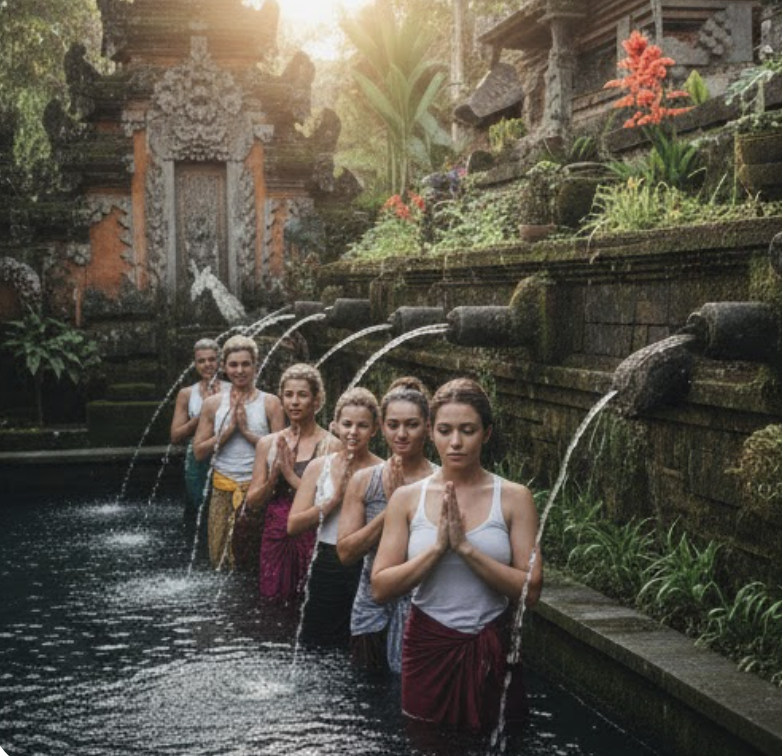
The concept is straightforward. Water, particularly water from sacred springs, has the power to purify and heal. By bathing in this water with proper intention and ritual, you can release negative energies, traumas, and obstacles. Balinese Hindus perform Melukat at significant times: before major ceremonies, after difficult periods, when seeking clarity, or simply as regular spiritual maintenance.
The ritual typically involves:
- Prayers and offerings to the water spirits and deities before entering the water.
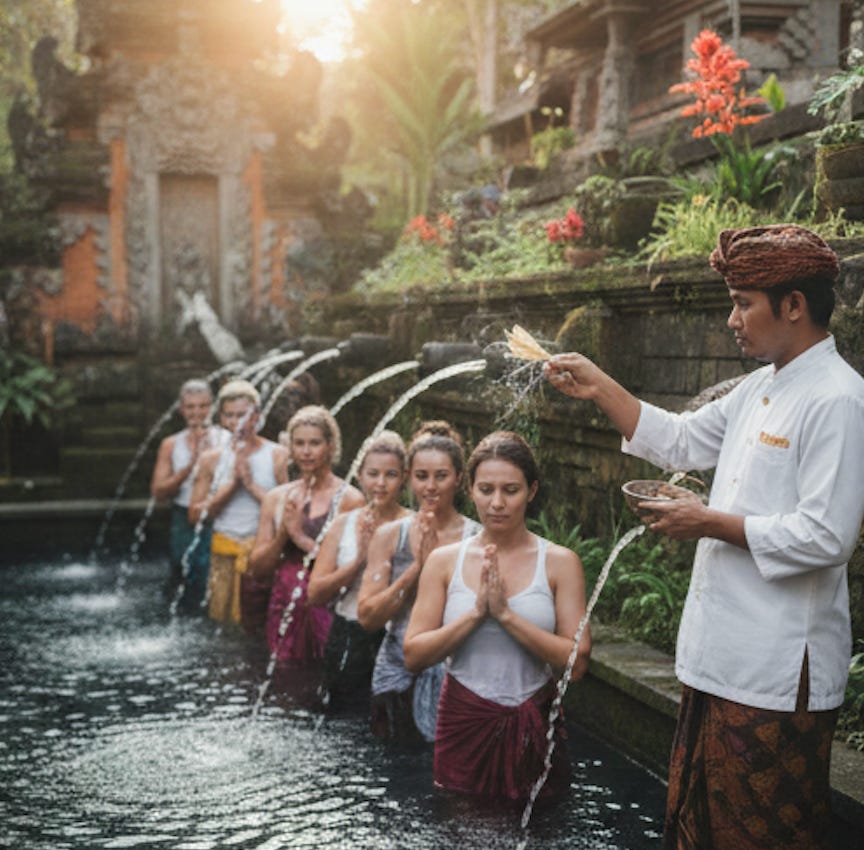
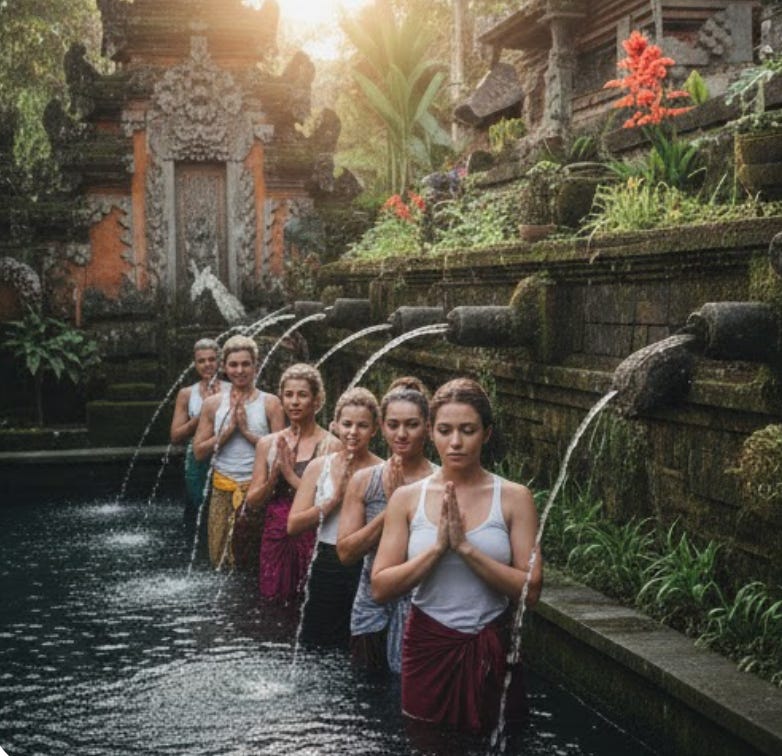
- Bathing in sacred springs or specially prepared water, often under a series of waterspouts or fountains.
- Specific movements and prayers while in the water, often guided by a priest or experienced practitioner.
- Meditation or reflection before and after the water purification.
- Receiving blessings from a priest with holy water, flowers, and rice pressed to your forehead.
Where to Experience Melukat
The most famous location is Tirta Empul temple, where sacred spring water flows through multiple spouts. You’ll see both locals and tourists performing purification here. Tirta Empul has become quite touristy. It’s still meaningful, but you’ll be surrounded by people taking photos and tour groups rushing through.
For a more authentic experience, consider:
- Tirta Sudamala in Bangli is less crowded and deeply peaceful. The setting is stunning, with temples and pools surrounded by lush greenery.
- Hidden waterfalls where some healers and guides conduct private Melukat ceremonies. These feel more intimate and personal.
- Local temples on specific ceremonial days. If you’re invited by Balinese friends to participate in their community Melukat, that’s an extraordinary privilege.Doing Melukat Respectfully
This is sacred practice, not a tourist activity. Approach it with genuine respect.
- Dress properly. You’ll need a sarong and sash. Some temples provide them, but bring your own to be safe.
- Women on their period cannot participate. This is a hard rule in Balinese Hinduism. Plan accordingly.
- Follow instructions precisely. If you’re told to go to specific spouts in a particular order, do exactly that. There are reasons.
- Keep your intention clear. Think about what you’re seeking to release or cleanse. This isn’t performance, it’s personal spiritual work.
- Don’t photograph excessively. Take a few respectful photos if permitted, but don’t spend the entire ceremony behind your phone.
- Consider hiring a guide. Someone who understands the ritual can help you do it properly and explain the significance of each step.
- Make an offering. Contribute to the temple. Bring flowers or a small monetary donation.
What People Experience
Responses to Melukat vary wildly. Some people feel immediate lightness, as if they’ve literally washed something away. Some cry during the ceremony, releasing emotions they didn’t know they were holding. Some feel energised. Some feel peaceful.
Some people feel absolutely nothing during the ceremony and then notice subtle shifts in the following days. Better sleep. Clearer thinking. A sense of resolution about something that was troubling them.
Yes, some people feel nothing at all. That’s fine too. The lack of immediate dramatic experience doesn’t mean it wasn’t worthwhile. The water is cold. The stones are slippery. You’ll get completely wet. None of this matters. What matters is your intention and openness to the process.
Ayurveda: Ancient Medicine Meets Individual Care
[
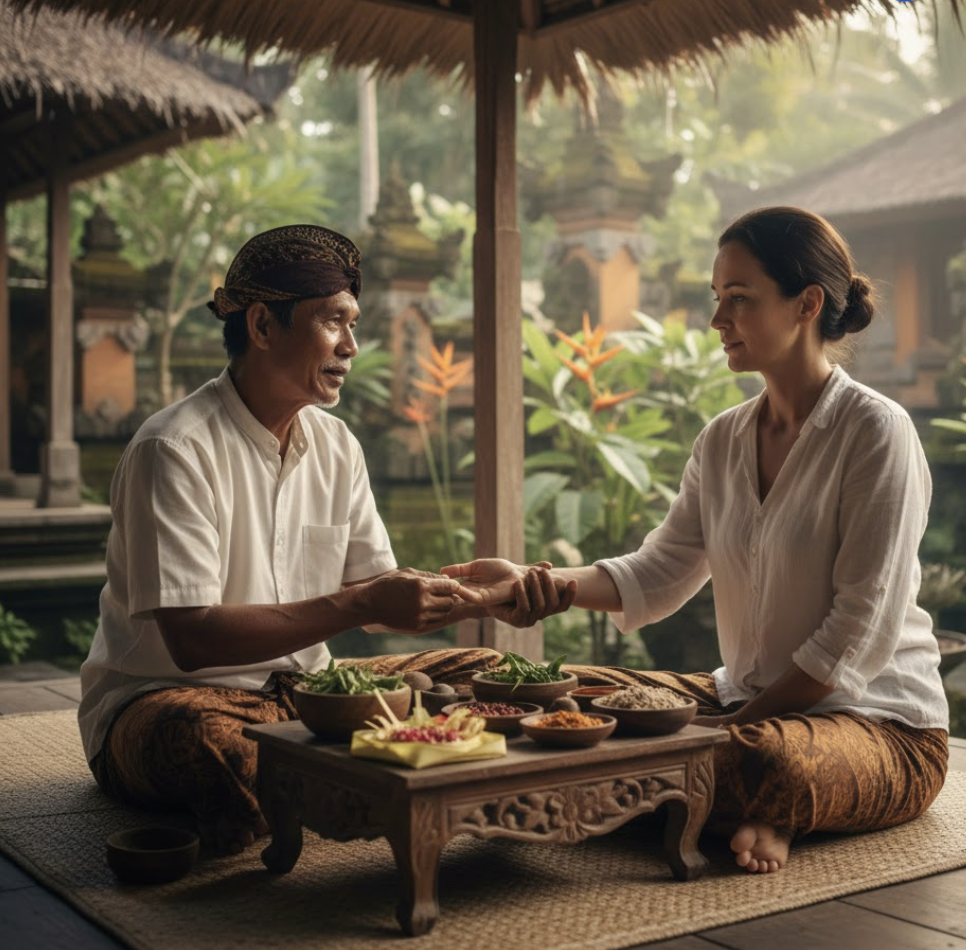
Ayurveda originates in India, not Bali, but it’s become deeply integrated into Bali’s wellness scene. Many retreats and healing centres offer Ayurvedic treatments alongside traditional Balinese practices.
Understanding Doshas
Ayurveda is built on the concept of doshas, three fundamental energies that govern physical and mental processes.
-
Vata (air and space) governs movement and communication. Vata types tend toward creativity, quick thinking, and variability. Out of balance, they experience anxiety, insomnia, and digestive issues.
-
Pitta (fire and water) governs transformation and metabolism. Pitta types tend toward intensity, focus, and leadership. Out of balance, they experience inflammation, anger, and burnout.
-
Kapha (earth and water) governs structure and stability. Kapha types tend toward calm, steadiness, and nurturing. Out of balance, they experience lethargy, weight gain, and depression.
Everyone has all three doshas, but usually one or two predominate. Ayurvedic treatment is about bringing your specific constitution into balance.
Ayurvedic Assessment
A proper Ayurvedic consultation starts with determining your constitution and current imbalances.The practitioner will ask detailed questions about your digestion, sleep, energy patterns, emotional tendencies, and health history. They’ll observe your tongue, feel your pulse, look at your skin and eyes.
This isn’t a five-minute assessment. Good practitioners take an hour or more, really understanding your unique situation.
Based on this assessment, they’ll recommend specific treatments, dietary changes, lifestyle modifications, and herbal remedies tailored to you.
Common Treatments
Abhyangam is full-body massage using warm herbal oils chosen for your dosha. It’s deeply nourishing, helps circulation, and calms the nervous system. Unlike some Balinese massage, Abhyangam is generally gentle and rhythmic.
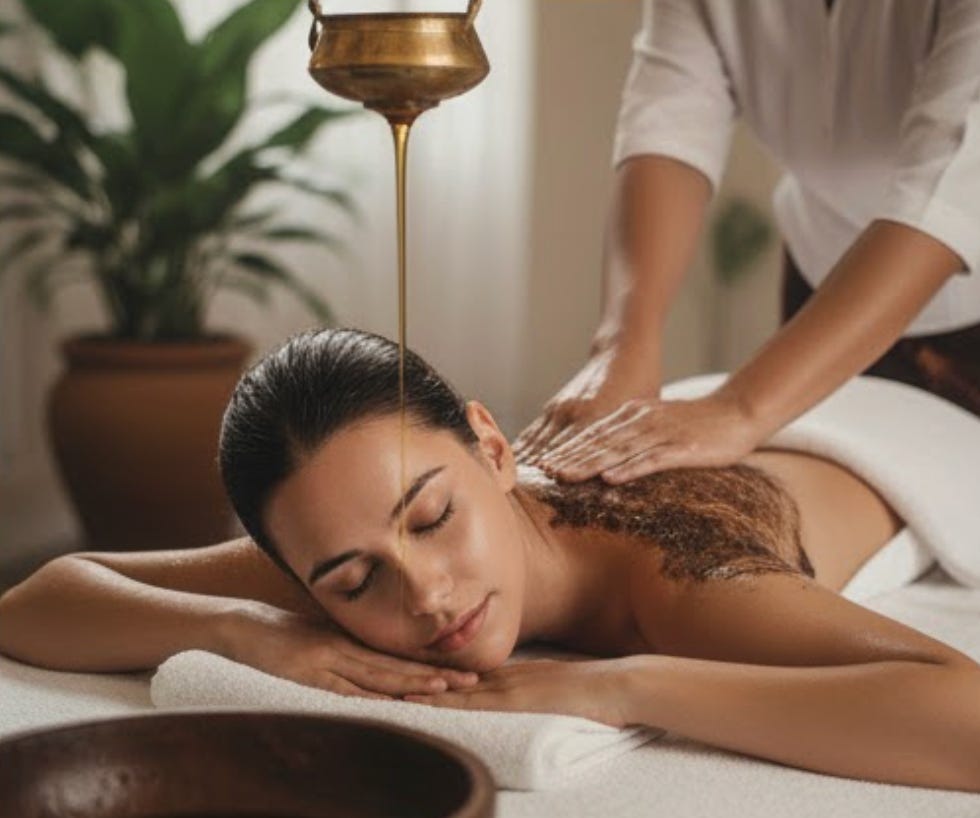
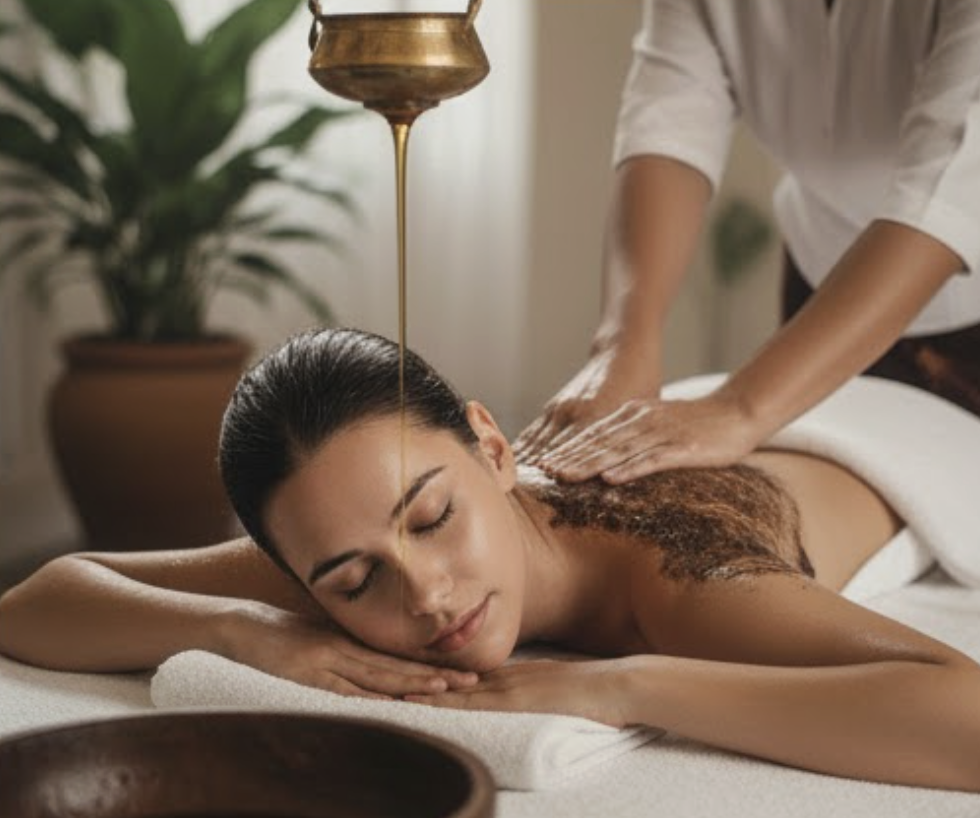
Shirodhara involves warm oil poured in a continuous stream over your forehead, specifically the “third eye” area. It sounds strange but is profoundly relaxing. People often fall into a state between waking and sleeping.
Panchakarma is a complete detoxification programme lasting several days or weeks. It’s intense, involving specific diet, oil treatments, steam therapies, and cleansing procedures. This isn’t casual spa treatment. It’s serious therapeutic intervention.
Udvartana is a vigorous massage using herbal powders or pastes. It’s stimulating rather than relaxing, good for improving circulation and helping with weight management.
Nasya involves administering herbal oils through the nasal passages. It’s used for sinus issues, headaches, and mental clarity. It feels quite odd but can be remarkably effective.
Where to Find Quality Ayurveda
Several places in Bali offer excellent Ayurvedic care:
-
Sukhavati Ayurvedic Retreat in Tabanan is probably Bali’s premier Ayurveda destination. They offer multi-day Panchakarma programmes with expert practitioners, proper facilities, and beautiful surroundings.
-
Fivelements combines Balinese and Ayurvedic traditions. Their treatments are high-end, thorough, and effective. Also expensive, but worth it for serious healing.
-
The Yoga Barn has Ayurvedic practitioners offering consultations and some treatments. Good for getting an assessment and recommendations even if you don’t do extensive treatment.
-
Smaller healing centres throughout Ubud and Canggu. Ask for recommendations from yoga teachers or accommodation owners.
Integrating Ayurvedic Wisdom
You don’t need to do a full Panchakarma to benefit from Ayurvedic principles.
Understanding your dosha helps you make better choices about food, exercise, sleep, and stress management. Vata types need grounding routines. Pitta types need cooling practices. Kapha types need stimulation and movement.
Simple practices like oil pulling, tongue scraping, or self-massage with appropriate oils can be easily integrated at home.
The dietary recommendations are particularly valuable. Ayurveda provides specific guidance about what foods suit your constitution, when to eat them, and how to prepare them.
Combining Practices for Deeper Healing
The real magic happens when you combine these different approaches.
Maybe you start your day with yoga, working with your body. Midday you have an Ayurvedic massage, addressing physical tension and dosha imbalances. Afternoon you see a traditional healer for energy work. Evening you do Melukat, releasing what’s ready to go.
Each practice works on different levels. Together, they create comprehensive healing that addresses body, mind, and spirit.
Many retreats in Bali are structured exactly this way, integrating multiple healing traditions into coherent programmes. You’re not just collecting random treatments. You’re working through a progression designed to support deep transformation.
The Importance of Integration Time
After significant healing work, particularly spiritual practices like Melukat or intensive treatments like Panchakarma, you need time to integrate.
Don’t schedule major healing work and then rush off to party in Canggu the same evening. Don’t pack your days so full of treatments that you’re processing five different experiences simultaneously.
Give yourself space. Rest. Journal. Walk in nature. Eat simply. Sleep well.
Healing work continues after the actual treatment. Your body and mind need time to process and integrate what’s happened. Respect that process.
When Traditional Healing Isn’t Appropriate
[
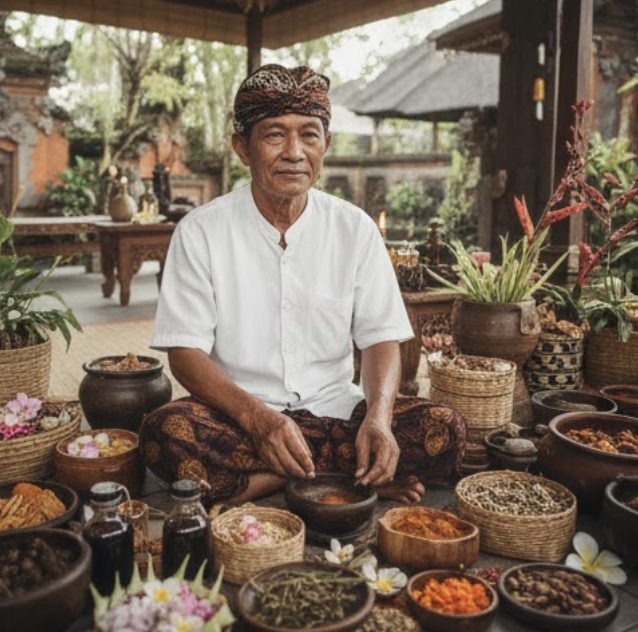
Let me be very clear about this. Traditional healing practices can be powerful support for wellbeing. They’re not replacements for proper medical care.
If you have a serious physical illness, see a doctor. If you’re dealing with significant mental health issues, get professional support. If you’re on medication for chronic conditions, don’t stop taking it because a healer tells you to.
Good traditional healers understand their scope. They’ll tell you if something needs Western medical attention. They’ll work alongside doctors, not instead of them. However, wary of anyone who claims to cure everything, who tells you to stop medical treatment, or who makes dramatic promises. That’s not traditional wisdom. That’s dangerous nonsense.
Have you experienced any traditional healing practices? What was it like? And if you haven’t, what draws you to these practices or makes you hesitant?
I’m genuinely curious about what resonates with people and what feels too far outside their comfort zone.
Read Part 2: Finding Your Practice
Next week: Part 4 - Getting Physical in Paradise
We’re exploring Bali’s active side. Surfing for fitness and fun, bootcamps that transform your body, and eco-friendly ways to stay active in stunning natural settings. I’ll help you find the right level of physical challenge for your goals and abilities.
Subscribe to get Part 4 next week.