
Day Trips from Bali 2026: Nusa Penida, the Gili Islands and What to Actually Expect
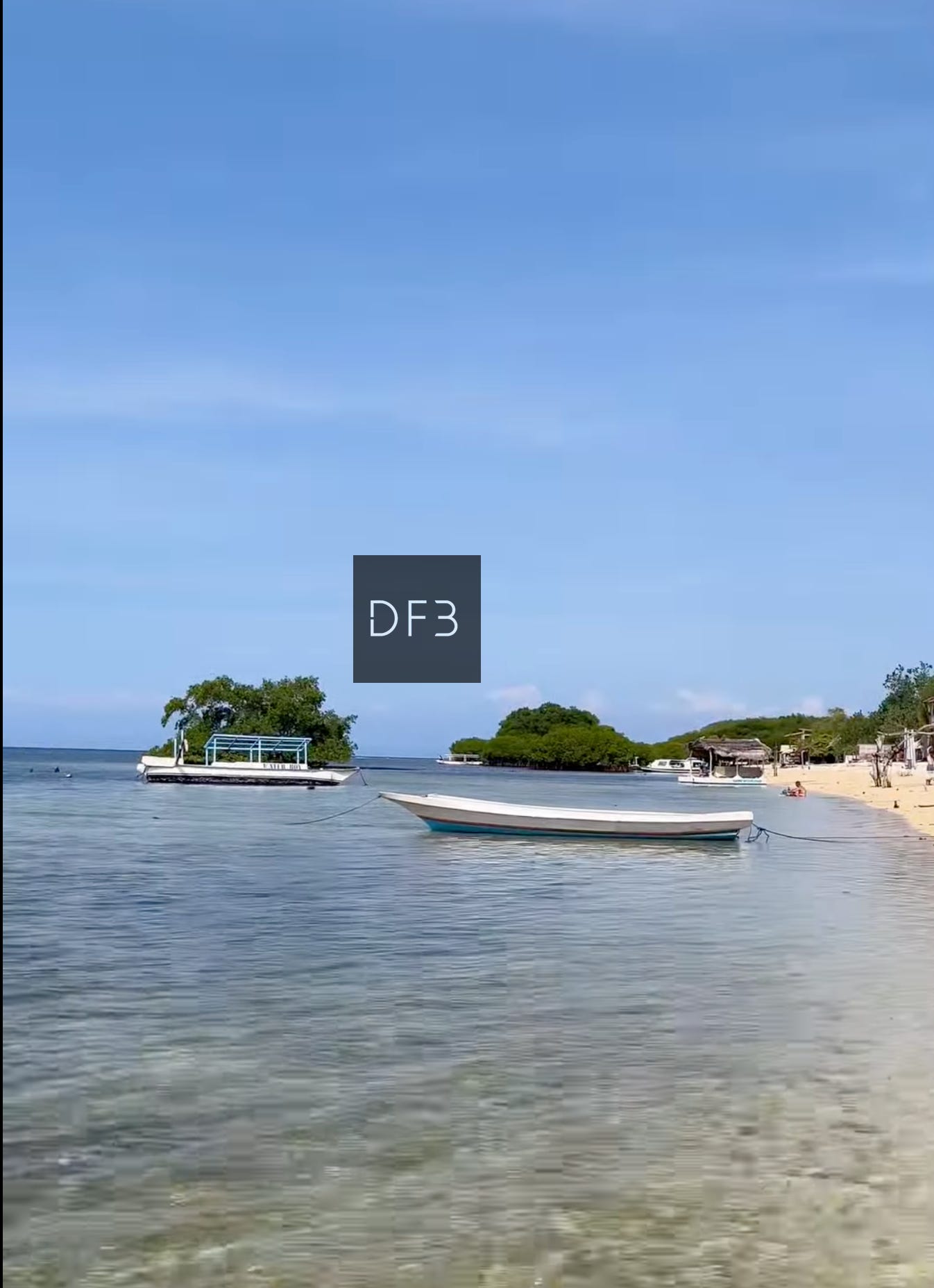
I nearly skipped Nusa Penida. It sounded like a long day, the boat crossing had a reputation for being rough, and I’d heard the roads were genuinely difficult by scooter. Then someone showed me a photo of Kelingking Beach — that jaw-dropping dinosaur-head cliff with turquoise water below — and I rearranged my week immediately.
Bali is extraordinary. But the islands within reach of it offer something different: fewer tourists, more dramatic landscapes, and the specific pleasure of arriving somewhere by boat. Day trips from Bali to the surrounding islands are absolutely feasible, though they suit different purposes. This guide tells you which island suits what kind of day, what the crossings are actually like, and what you’ll need to prepare.
Why the Islands Around Bali Are Worth the Boat Ride
Bali sits in a cluster of islands in the Lesser Sunda chain, with Nusa Penida, Nusa Lembongan and Nusa Ceningan immediately to the southeast, and the Gili Islands further northeast off the coast of Lombok. Each has a distinct character.
Nusa Penida is wild, underdeveloped, and visually extraordinary. Nusa Lembongan is calm, cycling-friendly, and excellent for a relaxed beach day. The Gilis offer genuinely different moods across the three islands — party, wellness, and honeymoon, respectively. And Lombok itself, for those willing to commit to a slightly longer journey, is Bali fifteen years ago: beautiful, unhurried, and almost uncrowded.
All are accessible on a day trip from Bali, though each rewards a night or two more than a single rushed day.
Nusa Penida: The Wild One That Will Absolutely Wreck You (In the Best Way)
Nusa Penida is the most visually dramatic of the lot and also the most physically demanding. Go in knowing that.
Getting there: Fast boats depart from Sanur in Bali’s southeast, with more than 90 departures daily. The crossing takes 30–45 minutes and costs IDR 150,000–250,000 per person each way, depending on the operator. Boats from Kusamba are slightly faster (around 25 minutes) and less busy -just less frequently used by tourists. Book in advance during peak season (July–August).
What to see: The highlights most people come for are on the west coast — Kelingking Beach (the T-Rex head cliff, genuinely as spectacular as photos suggest), Broken Beach (a natural arch over a circular cove), and Angel’s Billabong (a natural infinity pool in the rocks, best at low tide). Diamond Beach in the east is newer to the tourist circuit and arguably the most beautiful of all.
The honest caveat: The roads on Nusa Penida are famously rough. Many are unpaved, steep, and narrow. Scooter accidents are the leading cause of injury among visitors. If you’re on a day trip, hiring a driver (IDR 350,000–500,000 for a full day) rather than a scooter is both safer and more efficient. Your driver will know the roads, the tides, and the best times to visit each site.
Snorkelling: Crystal Bay and Manta Point are the island’s underwater highlights. Crystal Bay is accessible by day-trip boat tours from the island and offers excellent coral and occasional reef sharks. Manta Point, on the southwest coast, is where manta rays regularly gather at a cleaning station — snorkelling with them is one of the most extraordinary experiences available in this part of the world. Book a snorkelling tour from the island (IDR 300,000–500,000) rather than trying to reach Manta Point independently.
Is one day enough? Technically, yes, if you’re efficient. Honestly, two days is better. But a well-planned day trip to the west coast sights, plus Crystal Bay, is absolutely doable.
Nusa Lembongan: Nusa Penida’s Quieter, More Relaxed Sibling
If Nusa Penida is an adventure, Nusa Lembongan is a long exhale.
The island is small (about 8 square kilometres), and most of it is accessible by bicycle or on foot. The beaches — particularly Mushroom Bay and Dream Beach — are calm and swimmable. The snorkelling directly off the beach is reliable and easy. There are beach clubs and restaurants, but of the understated variety.
Getting there: Fast boats from Sanur run regularly, with the crossing taking around 30 minutes. Cost is similar to Nusa Penida — IDR 150,000–200,000 per person one way. Some boats continue from Lembongan to Nusa Penida, making it possible to do both in one long day (though this is genuinely tiring).
Lembongan suits people who want a beautiful, uncomplicated beach day without Bali’s crowds. It suits couples, families, and anyone who’s been staring at a screen for too long. The Yellow Bridge connecting Lembongan to Nusa Ceningan is a lovely cycling detour that takes about 20 minutes and ends at a beautiful blue lagoon used as a swimming spot.
The Gili Islands: What Each One Is Actually Like
The three Gili Islands sit off the northwestern tip of Lombok, about 1.5–2 hours from Bali by fast boat. They’ve been a significant part of the Southeast Asia backpacker circuit for decades, but they still manage to feel special.
Gili Trawangan (Gili T) is the largest and most developed. It has nightlife, beach bars, dive schools, and a busy social scene. It’s excellent fun if that’s what you want. There are no motorised vehicles on any of the Gilis — transport is by horse cart (cidomo) or bicycle — which gives all three islands a distinctive quietness despite tourist density.
Gili Air is the middle ground: livelier than Meno, quieter than Trawangan, with excellent snorkelling, a growing wellness scene, and a genuinely lovely mix of long-termers and visitors. Many Bali expats rate Gili Air as their favourite.
Gili Meno is the quietest — small, peaceful, and oriented around couples on honeymoons or people who want to genuinely disappear. Excellent snorkelling, a lagoon, turtles in the water, and very little else. Personally, I think it’s the most beautiful of the three.
Getting there: Fast boats from Sanur or Padang Bai depart daily for the Gili Islands. Journey time is approximately 1.5–2 hours. Cost: IDR 300,000–600,000 per person each way, depending on the operator and departure point. Pre-booking is strongly advised during peak season.
The Gili Islands make more sense as an overnight or weekend trip than a day trip given the journey time — two hours each way for five hours on an island is a long day. But it’s possible.
Practical Logistics: Boats, Times and What to Bring
Book boats through reputable operators. Gili Getaway, Eka Jaya, and Rocky Fast Cruise are among the established operators for Nusa Penida. For the Gilis, Eka Jaya, Scoot Fast Cruise, and Wahana are well-regarded. Avoid the cheapest options — fast boat safety standards vary considerably.
The sea crossing can be rough. The Lombok Strait between Bali and the Gilis is one of the deepest ocean channels in the world and can experience significant swells. Between July and October (peak dry season), crossings can be genuinely choppy. Take seasickness medication if you’re susceptible, and sit in the middle of the boat rather than the bow.
What to bring on any island day trip: Reef-safe sunscreen, cash (most island vendors are cash-only), a rash guard for snorkelling, a dry bag for your phone, and a change of clothes. Water bottles — hydration on boat days in tropical heat is constantly underestimated.
Leave early. Morning boat departures mean more daylight for sightseeing and calmer seas. Return boats typically run until 5 PM from Nusa Penida and Lembongan. The last boats from the Gilis to Bali usually depart around 3–4 PM.
The islands around Bali are among the most accessible and rewarding short trips available anywhere in Southeast Asia. Nusa Penida for the dramatic cliffs and mantas. Lembongan for the easy, beautiful beach day. Gili Air or Meno for the gentlest possible pause from everything.
If you’re in Bali for more than ten days, do at least one of them. The boat ride will feel like an adventure. The island will feel like a discovery. And you’ll almost certainly wish you’d booked more nights.
FAQs
Q: Is Nusa Penida worth a day trip from Bali?
Yes, absolutely. The west coast highlights (Kelingking, Broken Beach, Angel’s Billabong) are genuinely spectacular and doable in one day with an organised driver. Two days allow for snorkelling at Manta Point and Diamond Beach in the east.
Q: How much does the fast boat to Nusa Penida cost?
IDR 150,000–250,000 per person each way from Sanur. Book directly with operators or through your accommodation rather than street vendors for the most reliable service.
Q: Are the Gili Islands better as a day trip or overnight?
Overnight is significantly better given the 1.5–2 hour crossing each way. But a day trip to Gili Trawangan or Gili Air is achievable if you take the earliest boat out and return on the last one.
Q: Which Gili Island is best?
Depends what you want. Trawangan for nightlife and social energy. Air for a balanced mix of activity and calm. Meno for quiet, couples, and excellent snorkelling. Most long-term Bali expats favour Gili Air.
Q: Can the fast boat crossing be rough?
Yes. The Lombok Strait can be genuinely choppy, particularly July–October. Take seasickness tablets if you’re susceptible, sit mid-boat, and avoid the cheapest operators who use smaller, less stable vessels.
Q: Do I need to book fast boats in advance?
For peak season (July, August, school holidays), yes — definitely book ahead. At quieter times, same-day bookings are usually fine but pre-booking still guarantees your preferred departure time.
Q: What is the best snorkelling near Bali?
Manta Point on Nusa Penida (manta rays), Crystal Bay (reef fish and occasional sharks), and the house reef off Gili Meno (sea turtles) are all genuinely extraordinary. All require either boat tours or being on the island itself.
Q: Is Nusa Lembongan different from Nusa Penida?
Very. Lembongan is small, calm, and gentle — ideal for cycling, easy snorkelling, and relaxed beach time. Nusa Penida is larger, wilder, and dramatically scenic but more demanding to explore. They’re adjacent islands connected by a short bridge to Nusa Ceningan.
Q: Can I do Nusa Penida and the Gili Islands in one trip?
Yes, just not in one day. Nusa Penida and Nusa Lembongan can be combined in a long two-day trip. Adding the Gilis requires at least another day. Many travellers do a “island loop”: Bali → Nusa Lembongan → Nusa Penida → Gili Air → Bali over 4–5 days.
Q: What is the best time of year for island hopping from Bali?
April–October (dry season) for calm seas and clear visibility for snorkelling. November–March can bring rough crossings but also fewer crowds and lower prices. Both seasons work — check forecasts before committing to a boat day.
A note from Annie
Destined for Bali shares my personal experiences, opinions, and independent research. Everything I write reflects what I’ve found to be true at the time of publishing — but Bali changes constantly, and what works for me may not work for you. Always do your own research and seek qualified professional advice before making decisions about travel, visas, property, business, health, or anything else that matters. Some links in my posts are affiliate links, meaning I may earn a small commission at no extra cost to you. Sponsored content is always clearly labelled. Read the full Terms and Privacy Policy.