
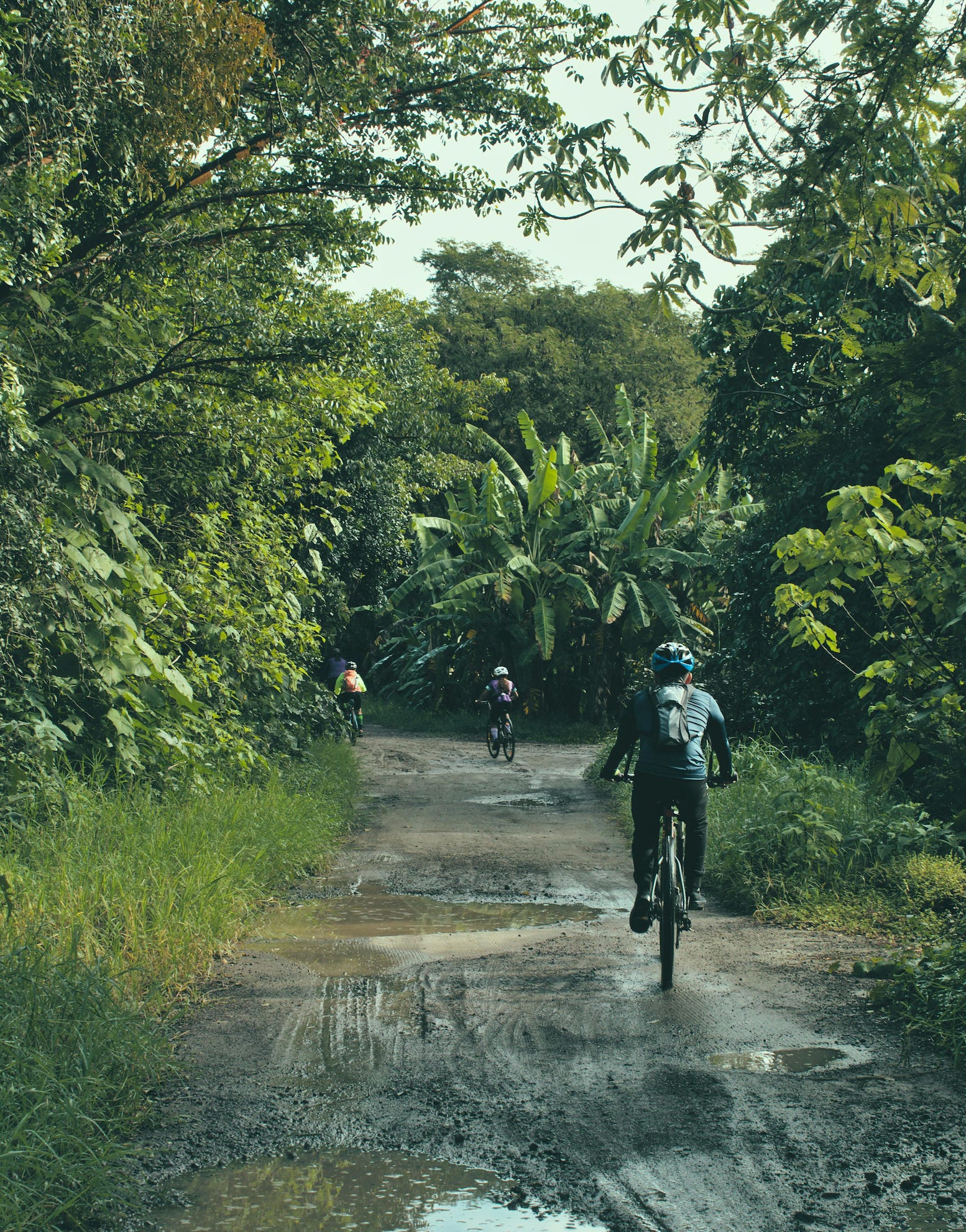
Most people arrive in Bali and see it from a car window. Tourist minibuses wind through the same narrow roads. Hire cars queue at the same viewpoints. You end up watching Bali rather than being part of it.
Here is the problem with that approach. The most extraordinary parts of this island — the terraced hillsides, the quiet farming villages, the jungle tracks between temples — are not things you drive to. They are things you move through slowly, at ground level, with the smell of incense and frangipani actually reaching you.
That is where cycling changes everything. Cycling in Bali puts you inside the landscape rather than on top of it. It slows the whole experience down in the best possible way. Whether you are a visitor spending two weeks or an expat building a longer chapter here, getting on a bike is one of the most rewarding things you can do on this island. This guide covers four of the best hidden cycling routes in Bali — researched, fact-checked, and suited to a range of fitness levels.
Why Cycling Unlocks a Different Bali
Bali is a small island with a complex interior. Volcanoes run through its spine. Rivers carve deep valleys. Rice paddies spill down hillsides in patterns that look almost architectural. None of that reveals itself properly at speed.
Slow travel, real encounters
When you cycle through a Balinese village, things happen that do not happen in a car. Children wave from doorways. Farmers call out greetings from the rice fields. Temple offerings still steam gently in the morning light beside the road. You notice things — a weaving workshop, a small warung tucked behind a banana palm, the sound of a gamelan rehearsal drifting out of a community hall.
Bali bike tours work precisely because the island rewards curiosity. Every lane leads somewhere. Every side road has a reason to exist.
What kind of cyclist is Bali for?
It is worth being honest: Bali is not a cycling-friendly island in terms of infrastructure. There are no dedicated cycle lanes. Main roads in tourist areas, such as Canggu, Seminyak, Kuta, are busy and can feel intimidating. The terrain varies enormously, from gentle flat paths to steep volcanic descents.
That said, the routes in this Bali cycling guide have been chosen because they genuinely work. They avoid heavy-traffic roads, pass through landscapes that justify every pedal stroke, and are suitable for cyclists of varying abilities. You do not need to be an athlete to enjoy them.
Route 1: The Kintamani Downhill – 22km of Pure Reward
If you have never cycled in Bali before, start here. The Kintamani downhill is one of the most celebrated routes for a reason: it is spectacular, accessible, and almost entirely downhill cycling in Bali.
What to expect on the ride
You begin in the Kintamani highlands, at around 1,400 metres above sea level, with views of Mount Batur and the volcanic crater lake stretching out below you. From there, the route descends roughly 22 kilometres through lush jungle, clove plantations, traditional Balinese villages, and terraced rice fields, finishing in or near Ubud.
Approximately 90% of the ride is downhill, with 10% flat. The average duration is two to three hours at a relaxed pace. The descent is gradual enough to be comfortable even for first-time riders. As you drop in altitude, the landscape transitions from volcanic highlands to the dense greens of Ubud’s famous countryside.
Practical details
Guided tours for this route typically cost between USD $35 and $50, including bike hire, helmet, guide, and hotel transfers. Independent riders can hire bikes from Ubud’s many rental shops. Most guided tours include a morning coffee stop at Tegallalang village and a Balinese lunch at the end. Start early — ideally by 8 am — to enjoy cooler temperatures and lighter traffic.
Route 2: Jatiluwih Rice Terraces – UNESCO Territory at Pedalling Pace
Jatiluwih is one of Bali’s most visited UNESCO World Heritage Sites, recognised for its ancient Subak irrigation system, a traditional water-sharing practice fundamental to Balinese farming culture. A Jatiluwih cycling tour gives you far more ground to cover, and far more of the landscape to absorb, than walking alone ever could.
The white trail and why it matters
When you arrive at Jatiluwih in Tabanan Regency — roughly 90 minutes northwest of Ubud — you will find a map at the entrance showing five colour-coded routes. The white trail is the longest and best suited for cycling, following approximately 10 kilometres of track through the terraces at around 700 metres altitude.
The ride is relatively flat and manageable for most riders. You move through working rice paddies farmed exactly as they have been for centuries. The views of Mount Batukaru in the background are remarkable on a clear morning.
What to bring and when to go
The entrance fee is IDR 75,000 per person (approximately £3.50) as of 2025. Bring cash. Arrive before 9 am if possible — tour groups begin arriving around 10 am and the atmosphere shifts noticeably.
The dry season (April to October) offers the clearest conditions and the best roads. The wet season brings greener paddies but also afternoon downpours and potentially slippery tracks at this altitude.
Route 3: Munduk and the Northern Highlands – For Adventurous Riders
Munduk is a small highland village in Buleleng Regency, roughly an hour east of Singaraja in North Bali. At altitude, with cooler air, coffee and clove plantations, and dense forest, Munduk cycling in Bali offers an experience that feels entirely different from the island’s south.
The landscape and the challenge
This is the most demanding route in this guide. The terrain is hilly, some trails are unpaved, and the elevation changes are significant. It suits intermediate to experienced cyclists. However, the reward is extraordinary — rolling green hills, minimal traffic, panoramic views across Bali’s north coast, and a genuine sense of remoteness that is increasingly rare on this island.
Waterfalls and coffee plantations
The area around Munduk is home to five named waterfalls: Melanting, Labuhan Kebo, Belong, Red Coral, and Golden Valley. Many cycling routes thread between plantations and forest trails leading to these falls, making it easy to combine a ride with a proper stop at one or two. Local guided tours operate from Munduk village and typically run for half a day. This is mountain biking in Bali at its most rewarding.
Route 4: Sidemen Valley – Bali’s Quiet East
Sidemen Valley sits in Karangasem Regency in eastern Bali, framed by the slopes of Mount Agung. It is one of the least touristy parts of the island — a place where traditional weaving, farming, and temple life continue largely undisturbed.
Why this route feels like the old Bali
Sidemen valley cycling routes follow quiet country lanes through rice fields, past family compounds, and along riversides. The pace is unhurried. You are unlikely to encounter tour groups. There are small warungs where you can stop for coffee and a fresh coconut. The scale of the landscape — with Agung towering above — is quietly humbling.
Along the way, you may pass traditional arak distilleries and encounter the Gembleng Waterfall, which makes a rewarding mid-ride stop. This is the kind of Bali hidden gems cycling experience that most visitors never find.
Practical information
Sidemen is roughly an hour from Ubud by car. Bikes can be hired locally, though arranging hire from Ubud gives you more control over quality. There is no single defined route here — exploring independently is part of the appeal. A morning start is recommended, finishing before midday heat sets in.
Before You Ride: Essential Tips
Road rules and safety
Traffic in Bali drives on the left. This applies to cyclists, too. Helmets are legally required for motorbikes in Indonesia and are equally essential on a bicycle — wear one without exception. Roads in tourist areas are busy and not always predictable. The quieter village lanes used on all four routes above carry far less risk, but you should still ride defensively and stay alert. Start as early as possible. Between 6 am and 9 am, roads are cooler, quieter, and far more pleasant to ride.
Hiring a bike and the best time of year
Road bikes and mountain bikes are available for hire throughout Ubud cycling hubs and Canggu. Most rental shops can be contacted via WhatsApp — a quick search will surface current options and pricing. Quality varies, so inspect the brakes, tyres, and gears before accepting a bike.
The Bali cycling dry season — May to September — is the best time. Roads are reliable, views are clear, and afternoon rain is rare. April and October are excellent shoulder-season options with fewer crowds.
Bali on two wheels is a different island entirely. Slower, quieter, more intimate. The routes above cover everything from gentle downhill rides to highland challenges and every one of them passes through a landscape that makes the effort worthwhile.
You do not need to be a serious cyclist to enjoy them. You need a good bike, an early start, and the willingness to take a lane you have not taken before.
Whether you are visiting for a fortnight or building a life here as an expat or digital nomad, cycling is one of the best ways to understand what makes Bali genuinely extraordinary. Get out early. Follow the rice terraces. Take the turning that looks interesting.
FAQs
Q: Is cycling in Bali safe?
Cycling in Bali is safe when you choose the right routes and ride sensibly. Village lanes and designated cycling routes are far quieter than main tourist roads. Always wear a helmet, ride on the left, and start early to avoid heat and traffic. Guided tours are a good option if you are unfamiliar with Bali’s roads.
Q: Do I need a special licence to cycle in Bali?
No licence is required to ride a pedal bicycle in Bali. Licences apply to motorised vehicles only. Observe all traffic rules — ride on the left and stay alert at junctions. Wearing a helmet is strongly recommended for your safety, even though it is not legally mandated for pedal bicycles.
Q: What is the best cycling route for beginners in Bali?
The Kintamani downhill route is the most beginner-friendly option. It covers approximately 22 kilometres and is predominantly downhill, making it accessible for most fitness levels. Guided tours are highly recommended for first-time riders, as they handle logistics, provide quality bikes and helmets, and offer local knowledge throughout the ride.
Q: Can I rent a bicycle in Bali?
Yes. Bike hire is widely available in Ubud, Canggu, and other tourist areas. Most rental shops operate via WhatsApp. Quality varies, so always check brakes, tyres, and gears before setting off. Guided tours typically include bike hire in the price. Many hotels in Ubud will also lend guests bicycles free of charge.
Q: What is the entrance fee for cycling at Jatiluwih?
The entrance fee for the Jatiluwih Rice Terraces is IDR 75,000 per person as of 2025 (approximately £3.50). This covers access to all walking and cycling trails within the heritage site. Bring cash — card payment is not reliably accepted. Arriving before 9am ensures the most peaceful experience.
Q: When is the best time of year to cycle in Bali?
The dry season from May to September offers the best conditions — reliable roads, clear views, and minimal rain. April and October are excellent shoulder-season options with fewer tourists. The rainy season from October to March brings afternoon downpours that can make trails slippery, particularly at higher altitudes such as Munduk and Kintamani.
Q: Is it worth doing a guided cycling tour in Bali?
For first-time visitors, guided tours are absolutely worth it. A good guide knows the quietest back roads, introduces you to local life along the route, and handles all the logistics. Prices for guided tours typically range from USD $35 to $50, including bike, helmet, transfers, and often lunch. That represents excellent value for one of the most memorable experiences Bali offers.
Q: How long does the Kintamani downhill cycling route take?
Most riders complete the Kintamani downhill route in two to three hours at a comfortable pace. The route covers approximately 22 kilometres from the highlands down to the Ubud area. Guided tours usually include a coffee break and lunch, so allow a full half-day if you are joining an organised tour.
Q: Is mountain biking available in Bali?
Yes. Munduk in North Bali and the trails around Mount Batur offer genuine mountain biking terrain — steep trails, dense forest, and volcanic landscapes. These routes suit intermediate to experienced riders. Local operators in Munduk and Kintamani run guided mountain biking tours with appropriate bikes and safety equipment.
Q: Can I combine cycling with other activities in Bali?
Absolutely. Many cycling routes pair naturally with other experiences. The Jatiluwih ride can be combined with a visit to nearby Pura Luhur Batukaru, one of Bali’s most sacred and least-visited temples. A Munduk cycling day pairs beautifully with a waterfall stop at one of the valley’s five named falls. In Sidemen, a morning cycle is a perfect start to an afternoon of traditional weaving workshops or a local temple visit.