
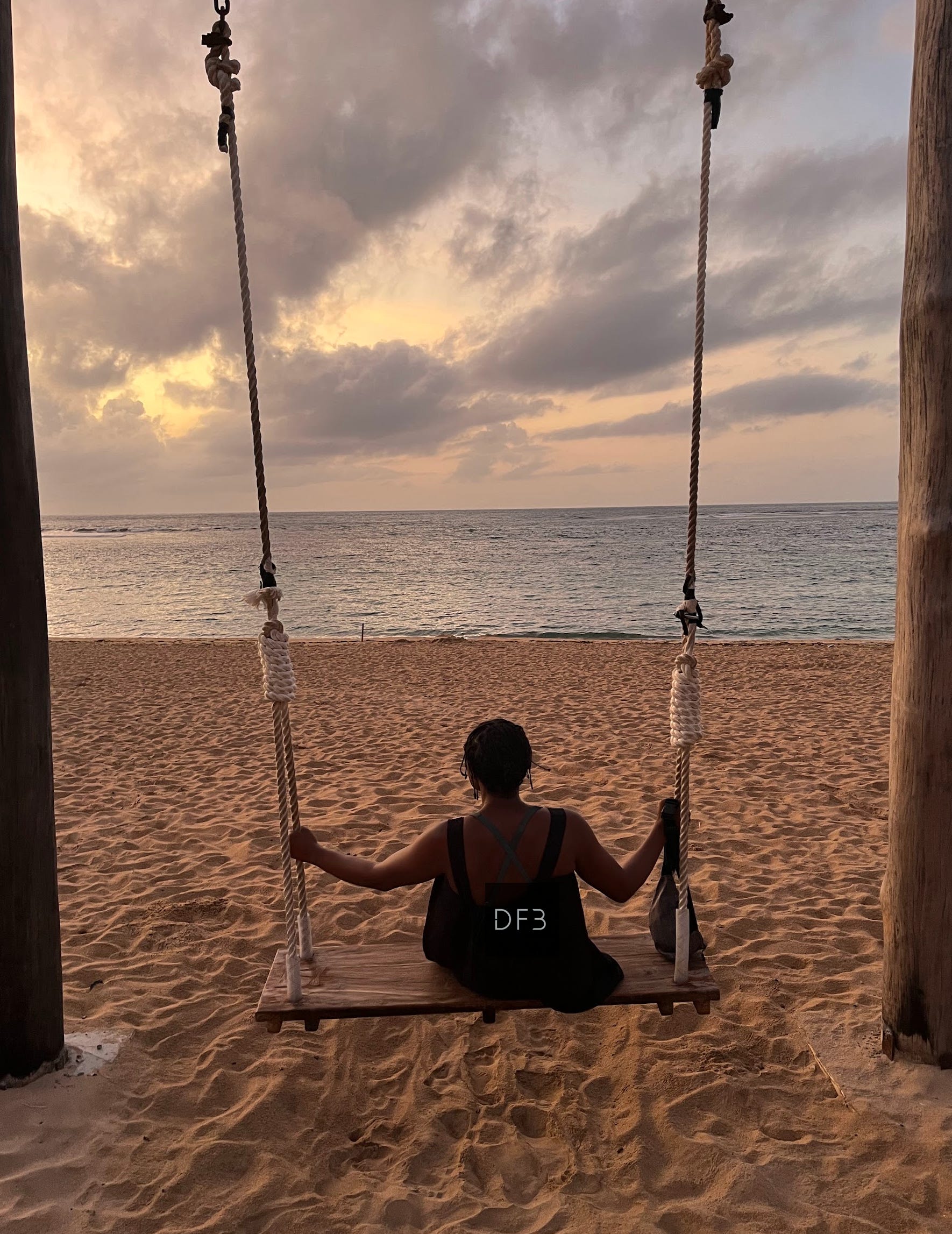
I stepped off the plane at Denpasar on a sweltering Tuesday in 2024, fully convinced I’d just landed in paradise. My Instagram feed had done the work for years—endless rice paddies, sunrise yoga on clifftops, £4 massages, the works. What I didn’t know then, as I queued at immigration clutching a one-month tourist visa, was that living in Bali reality looks nothing like the highlight reel that sent me here in the first place.
A few months later, I’m still in Bali. Not because it’s perfect. Not because it matches the photos. But because I’ve learned to separate the myth from the actual, messy, complex truth—and that truth is far more interesting than either the Instagram version or the cynical “Bali is ruined” take that’s equally popular now. This article isn’t a hit piece. It’s not a travel brochure either. It’s what I wish someone had told me before I sold most of my belongings and moved to an island I’d only ever seen online.
The problem with Bali isn’t that it’s changed dramatically (though it has). The problem is that social media has trained us to see a place through curated snapshots and aspirational captions. Bali itself is contradictory: genuinely magical in stretches, frustrating in others, lonely despite being crowded, expensive despite seeming cheap, and absolutely worth understanding before you decide to live here rather than visit. I’ve written this for anyone seriously considering the move, not to discourage you, but to help you make an informed choice about whether the real Bali—not the Instagram version—is actually where you want to build a life.
The Instagram Filter That Costs You £1,500 a Month
Here’s what the photos don’t show: that café where you’d sip a cost-of-living Bali 2026 acai bowl and capture golden hour? It’s in Ubud’s tourist bubble, where rent for a two-bedroom runs £400–600 monthly. Your massage, yes, is still cheap at £6–8, but you’ll take it after sitting in traffic for two hours. The rice paddy sunset shots? They’re now surrounded by villa construction sites and tour groups.
Bali’s real Bali monthly expenses breakdown is nothing like what TikTok suggests. If you want a comfortable lifestyle—decent apartment, regular dinners out, travel back home once yearly, international health insurance—you’re looking at £1,200–1,800 monthly minimum. That’s not a backpacker budget. That’s not the “live for £300 a month” fantasy. The expats who sustain themselves on that figure are either extremely disciplined, surviving on very little, or both.
What actually happens is lifestyle creep. You arrive planning to be frugal. You discover that Australian coffee, imported cheese, and functioning plumbing in your accommodation all cost proportionally more here than they did in London. You get sick and realise insurance matters. You miss home cooking and groceries suddenly seem expensive. Within six months, most people are spending double their original budget estimate.
The visa situation compounds this. Tourist visas require border runs every two months (£60–100 in transport and hassle). The new B211A visa is more expensive and bureaucratically exhausting. If you’re working remotely, Indonesia technically requires you to have work permits—something the vast majority of digital nomads ignore, creating perpetual low-level stress. That stress, honestly, costs you in your mental health budget if not your bank balance.
What Social Media Skips—Traffic, Bureaucracy, and the Humidity That Never Leaves
The Instagram photos are taken at dawn. There’s a reason. By 8 a.m., Ubud’s main street is gridlocked. Not “slow moving.” Bali traffic congestion is gridlocked. Scooters weave between cars. Construction trucks block entire roads. A journey that should take 20 minutes takes an hour. This isn’t occasional. This is daily. For nine years, I’ve watched the traffic get worse as more villas were built, more tour operators set up operations, and more people moved here with the same Instagram dream you’re harbouring.
Bali bureaucracy visa problems are a separate beast entirely. Banning of plastic bags? Great environmental policy. Implemented without infrastructure. Garbage still piles up. You’ll apply for a SIM card and suddenly need documents you never expected. Renewing residency permits involves trips to government offices that are seemingly designed to be confusing, with rules that change between Mondays and Wednesdays for reasons nobody can explain.
Then there’s the humidity climate Bali. The photos hide this. The humidity doesn’t hide anything—it clings to you, rots your clothes in the cupboard, encourages mould, and makes your laptop’s keyboard stick. Air conditioning is essential, which means constant electricity costs. Water systems are temperamental. Rolling blackouts still happen. The “tropical paradise” side effect of tropical paradises is that they’re genuinely difficult to live in comfortably without significant infrastructure and cost.
The Expat Bubble Problem—and Why Trying to Escape It Backfires
You’ll arrive swearing you won’t be one of those expats. You’ll commit to learning Bahasa, respecting Balinese culture expat respect, avoiding the foreigner scene. You’ll last about three weeks before you’re desperately seeking English speakers.
Here’s the paradox: Bali’s expat community Bali challenges exists for a reason. The social infrastructure outside of it requires cultural fluency, long-term relationship building, and frankly, acceptance of some genuinely challenging realities about tourism’s impact on Balinese society. Most expats settle into their little bubbles—Ubud has one, Seminyak has one, Canggu has one—not because they’re culturally insensitive, but because it’s the path of least resistance when your visa is temporary and your housing is short-term.
The mental health impact of this is underestimated. You’re living in a place but not quite of it. You’re seeing local injustice and struggling to know what to do about it. You’re in a community of other people who are also displaced, which creates both solidarity and a unique kind of loneliness—you’re surrounded by expats but many of them have arrived with their own trauma, relationship problems, or addictive patterns, which the “fresh start abroad” fantasy doesn’t address.
Trying to escape the bubble through “authentic” tourism and cultural respect is good, but it doesn’t solve the fundamental issue: you’re a tourist, even if you’re paying rent. Accepting that, rather than fighting it, is more sustainable. Expat bubble Bali social life improves when you stop resisting the bubble and instead make intentional choices within it.
The Good Parts (Yes, They’re Real—Just Rarer Than the Posts Suggest)
Before I seem entirely cynical: parts of the Bali dream are absolutely real. They’re just not the parts in the photos.
The genuine magic happens in quiet moments. It’s a conversation with a waiter you’ve known for three years who tells you about his daughter’s university acceptance. It’s stumbling into a temple ceremony that has nothing to do with tourism and everything to do with actual Balinese spiritual practice. It’s the landscape—driving past rice paddies and genuinely feeling small. It’s the cost of physical therapy or a dental cleaning, which remain absurdly affordable and excellent quality. It’s the ability to afford experiences you couldn’t contemplate in London: house cleaner, chef for special dinners, regular bodywork that keeps your nervous system relatively intact.
It’s also the freedom. Working hours are flexible. The social judgment about alternative lifestyles is vastly lower. If you’re building a business, Bali’s a genuinely economical place to do it. The weather is warm. The light is beautiful. Walking outside doesn’t require five layers. These things matter more than the authentic Bali experience posts suggest.
What’s real is the compound effect of small pleasures, not the singular perfection of any one moment. That’s harder to photograph, so it’s missing from your feed. The sunsets are genuinely stunning. The people are genuinely kind. The pace of life is genuinely slower. These things are real, and nine years in, they’re still part of why I’m here.
Practical Steps for Making an Informed Decision
If you’re genuinely considering the move, here’s what I’d do: Don’t move yet. Spend a full month here—not a holiday, but a test run. Rent a place monthly. Work from there. Take a scooter to actual locations, not tour groups. Eat where locals eat (which costs more now but is still cheaper). Sit in traffic. Navigate the visa process yourself. Get sick if your body decides to. See how it actually feels when it’s your life, not your holiday.
Most important: be honest about what you’re running from. If you’re escaping a difficult situation in the UK, Bali won’t solve it. You’ll bring that to Bali, and Bali’s particular challenges will amplify it. Bali is best as a choice toward something, not a choice away from something. The moving to Bali honest review starts with radical honesty about your own motivations.
When you do move, start with a six-month visa mentality, not a permanent mentality. Commit to quarterly reviews: Are you happier? Are you healthier? Are you building the life you imagined, or just a different version of an unsustainable lifestyle? Are you still running, or are you building?
I’m still here because the answer to those questions remains mostly yes. I won’t promise it will be the same for you. What I can promise is that if you go in with clear eyes and realistic expectations, Bali has something genuinely worthwhile to offer.
The real Bali is neither the paradise of Instagram nor the dystopia of disenchanted departure videos. It’s a complicated place where extraordinary natural beauty coexists with bureaucratic exhaustion, where genuine friendships happen alongside transient disappointments, where you can afford to live well but never quite feel settled.
Moving here works if you understand what you’re signing up for: not an escape, but a place. Not a clean slate, but a different context. Not a permanent solution to restlessness, but potentially a good temporary container for building something specific. The cost is real. The bureaucracy is annoying. The humidity never stops. The traffic is maddening. The expat bubble is isolating.
And somehow, if you’re the right person in the right season of your life, it’s also genuinely worth it.
FAQs
Q: Is Bali actually cheaper to live in than the UK?
Yes, Bali is cheaper, but the gap is smaller than people think. Basic expenses are significantly lower—food, transport, and labour costs are a fraction of UK prices. However, Western comforts, healthcare, imported goods, and visa complications eat into the savings quickly. Most expats find it 40–60% cheaper than UK living, not the 80% reduction they fantasised about.
Q: What’s the realistic monthly budget for a comfortable life in Bali?
Comfortable living—decent accommodation in a safe area, eating out regularly, travel insurance, occasional trips home—runs £1,200–1,800 monthly. This assumes you’re in Ubud or Canggu with reliable internet. Smaller towns like Sanur or Pemuteran are cheaper; Seminyak is pricier. The £300-a-month dream is real only if you’re okay with very basic conditions and no travel.
Q: How bad is the visa situation for digital nomads?
Indonesia’s visa rules technically require work permits for remote workers, which few people obtain. Practically, most digital nomads use tourist visas and border run every 60 days to renew. It creates low-level stress and legal uncertainty. The new B211A visa is longer but more expensive and harder to obtain. Nothing is straightforward, and rules change unpredictably.
Q: Will I feel lonely in Bali?
Possibly. You’ll be surrounded by people but in a unique kind of social isolation—you’re not really part of Balinese society, and the expat community is transient. Building deep friendships takes years. Some people thrive in this environment and create rich social lives; others find it deeply destabilising and isolating.
Q: What health emergencies have you actually seen happen?
Dengue fever, severe gastroenteritis, scooter accidents, and mental health crises (depression, anxiety, addiction relapse) are common. Medical care is good and affordable, but the health system is different enough that international insurance is genuinely essential. Preventative care and mental health support are harder to access than in the UK.
Q: Is Balinese culture actually being destroyed by tourism?
Partially, yes. Over-tourism has fundamentally changed many sacred spaces, displaced families from ancestral land, and commodified spiritual practices. This isn’t a visitor’s problem to solve, but it’s important to understand the impact of your presence. Respectful engagement is possible but requires genuine effort, humility, and long-term commitment.
Q: How long do most expats actually stay?
The average is 2–3 years. Some stay decades (often the ones who didn’t arrive running from something). Some leave within months (usually those who arrived with unrealistic expectations). The ones who thrive are typically those who treat their first year as a trial and commit to quarterly honest reflection about whether it’s working.
Q: Can you actually make money living in Bali?
Yes, absolutely. The low cost of living makes Bali excellent for freelancers, remote workers, and solopreneurs building income. Infrastructure for business is improving. Your profitability is genuinely better here because your overheads are lower. This is one of the strongest arguments for moving if you’re income-generating.
Q: Should I learn Bahasa before moving?
Not required, but genuinely helpful. You’ll survive on English in tourist areas and tourist-friendly businesses. Understanding basic Bahasa opens doors in local contexts and shows respect. Most expats pick up conversational Bahasa in the first year through daily immersion, which is effective if inconsistent.
Q: What’s the one thing you wish you’d known before moving?
That paradise is a feeling, not a location. You don’t arrive in Bali and feel suddenly peaceful, fulfilled, or creative. You arrive in Bali and feel everything you’ve always felt, just in different weather with different problems. The real work—building habits, friendships, and meaning—happens the same way here as it does anywhere. The setting is beautiful, but the work is still the work.
A note from Annie
Destined for Bali shares my personal experiences, opinions, and independent research. Everything I write reflects what I’ve found to be true at the time of publishing — but Bali changes constantly, and what works for me may not work for you. Always do your own research and seek qualified professional advice before making decisions about travel, visas, property, business, health, or anything else that matters. Some links in my posts are affiliate links, meaning I may earn a small commission at no extra cost to you. Sponsored content is always clearly labelled. Read the full Terms and Privacy Policy.