
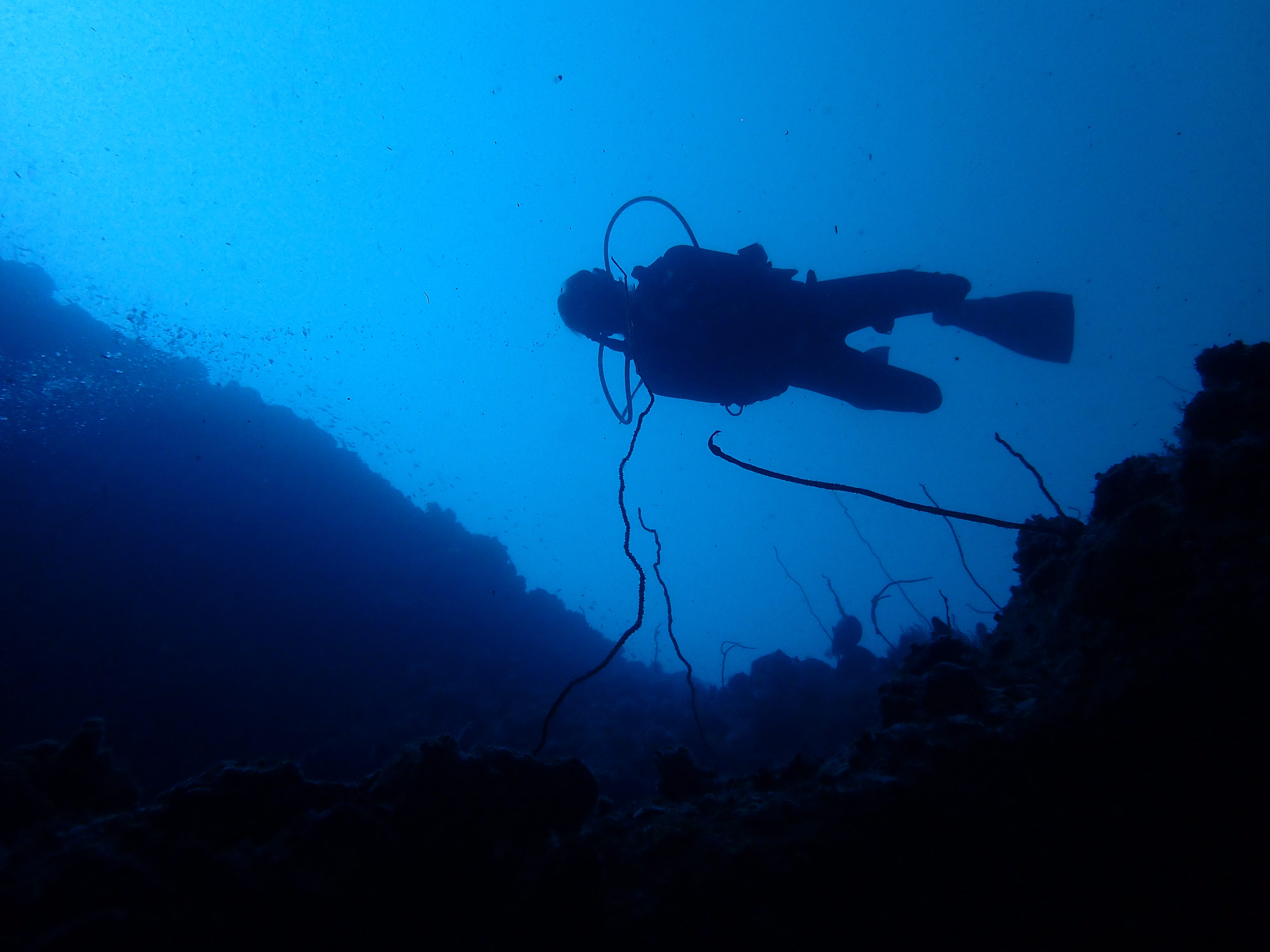
The first time I got in the water off Tulamben, I wasn’t expecting much. It was early morning, the beach was all volcanic black rock, and my fins kept slipping on the stones as I waded in. Then I looked down. There was a WWII cargo ship resting on the seabed, completely covered in coral, with a cloud of sweetlips circling a porthole as if they’d been there since 1942 — which, in a way, they had.
Snorkelling and diving in Bali is that kind of unexpected. Most people come here for the temples, the rice paddies, the smoothie bowls. The underwater world tends to catch them off guard. And it’s worth coming specifically for — Bali sits within the Coral Triangle, which is the most biodiverse marine region on the planet. The variety of what you can see here, from shipwrecks to manta rays to rare mola mola, is genuinely extraordinary.
This guide covers the spots I’d actually recommend — from beginner-friendly snorkelling bays to dive sites that require a bit more experience — along with honest notes on costs, how to book, and the best time of year to be in the water.
The Liberty Wreck at Tulamben — Bali’s Most Iconic Dive
The USAT Liberty is a hard ship to ignore on any list of Bali dive sites, because nothing else quite compares to it. She was an American cargo vessel torpedoed by a Japanese submarine in January 1942, and sat beached on the Tulamben shoreline for over two decades until the 1963 eruption of Mount Agung pushed her into the sea. Today she rests between 5 and 30 metres below the surface, just 25 metres from the beach — which makes her one of the most accessible wreck dives in the world.
For divers, the experience is phenomenal. The hull is encrusted with hard and soft corals, and the resident marine life is extraordinary: giant trevallies circling lazily overhead, schools of barracuda, resident sea turtles that have clearly decided this wreck belongs to them, and tiny nudibranchs tucked into the coral for those who like to get close and slow down. The bow section sits at around 9 metres, while the stern drops to about 28 metres — so there’s something for every certification level.
Dive operators line the road through Tulamben. Most offer two-dive trips to the Liberty and nearby Drop-Off (a dramatic wall created by the same volcanic lava flow) for around IDR 700,000–1,000,000 with equipment included. Shop around but don’t just go for the cheapest — equipment condition varies, and a guide who actually knows the wreck is worth paying for.
Snorkelling the Liberty if you’re not a diver
Here’s the good news: you don’t need a dive certification to enjoy the Liberty. The shallowest sections are snorkellable at around 5 metres, and on a calm day with clear visibility you can see plenty from the surface. Guided snorkelling in Tulamben runs around IDR 500,000 per person (minimum two people), which includes a local guide who’ll point out the best spots.
Mornings are best — before the dive boats arrive from Amed and Candidasa, the water is quieter and the visibility is sharper.
What you’ll actually see down there
Beyond the structure of the wreck itself, expect sea turtles with almost unsettling regularity, lionfish hiding in crevices, batfish in large shoals, and — if you’re macro-inclined — ornate ghost pipefish and pygmy seahorses tucked into the soft corals. On night dives, the wreck transforms entirely, with sleeping turtles and hunting moray eels. It’s worth doing if you have any interest in marine life at all.
Menjangan Island — Pristine Walls and Calm, Clear Water
Menjangan is Bali’s best-kept underwater secret, and I say that knowing it’s increasingly less secret. Located within West Bali National Park on a small uninhabited island off the northwest coast, it offers visibility of up to 40 metres on good days and some of the most pristine coral walls I’ve seen anywhere in Southeast Asia.
Because it sits within a protected marine park, fishing isn’t allowed here. The result is reef in remarkable condition: vertical walls dropping to 40–60 metres, carpeted in sea fans, black coral, and barrel sponges, with sea turtles cruising past like commuters. There are also reef sharks in the deeper sections — nothing alarming, just the satisfying proof that the ecosystem here is healthy.
The island is accessible from two launch points: Labuhan Lalang or Teluk Terima Beach, both about 20 minutes by boat. Menjangan suits snorkellers as well as divers — the top of the reef wall is shallow enough to float above and still see a huge amount.
Getting there and what it costs
The West Bali National Park fee is IDR 215,000 per person (add IDR 100,000 on Sundays and public holidays), paid at the park ranger office in cash. Boat and guide fees come on top — most organised day trips from Pemuteran or further afield run around $80–100 per person including gear, lunch, and multiple snorkelling stops. The journey from Seminyak or Ubud takes around 3.5–4 hours, so it works best as a two-night trip combined with exploring the quieter northwest of Bali.
Amed and Jemeluk Bay — The Easiest Entry Point for Snorkelling
If you’ve never snorkelled before and want to start somewhere gentle, Amed is your answer. This quiet fishing village strip on Bali’s east coast has several bays where you can walk straight off the black sand beach and be floating over coral reef within two minutes. No boat, no guide required — just fins and a mask.
Jemeluk Bay is the pick of the bunch. The reef starts shallow, the water is usually calm (especially mornings), and you’ll typically spot parrotfish, clownfish in anemones, lionfish, and the odd sleeping turtle resting on the sandy bottom. There’s also a small Japanese fishing boat wreck just off the bay that can be snorkelled on a clear day. Local dive shops rent masks and fins for around IDR 50,000–75,000 if you haven’t brought your own.
Amed itself is worth an overnight at minimum — it has a completely different energy from Canggu or Seminyak. Quieter, cooler, and unpretentious. The warungs along the seafront serve fresh fish grilled over coconut husk, and in the evenings you can watch the jukung fishing boats go out with their outriggers silhouetted against the sunset. It’s the kind of place that sneaks up on you.
Nusa Penida — For the More Adventurous Diver
Nusa Penida, the rugged island visible from Sanur’s beach on a clear morning, has two dive sites that have become genuinely famous: Crystal Bay and Manta Point. Both are worth the effort — but neither is entirely for beginners.
Crystal Bay and the mola mola
Crystal Bay is beautiful on any dive. The coral is healthy, the visibility frequently exceeds 30 metres, and there’s a good variety of reef life year-round. But from July to October, it becomes a pilgrimage site for one reason: mola mola. These are ocean sunfish — the heaviest bony fish in the world, shaped like someone drew a fish and forgot to include the back half. They rise from the deep cold water to be cleaned by smaller fish near the reef, usually at 15–30 metres depth. Seeing one is genuinely otherworldly. Worth noting: the current here can be strong, and the water temperatures drop sharply as you go deeper. This is a site for Open Water divers at minimum, and more comfortably for Advanced.
Manta Point
Manta Point is on the south coast of Nusa Penida, and on a good day — which is most days between May and October — you’ll find reef manta rays circling a cleaning station just below the surface. They’re enormous, graceful, and utterly unbothered by the presence of divers and snorkellers. I’ve done this dive twice and found it one of the most quietly moving wildlife experiences Bali offers. Currents can be unpredictable here, so go with an operator who knows the site and times the entry correctly.
When to Go, What to Bring, and How to Book Snorkelling and Diving in Bali
The short answer on timing: dry season, April to October, is when conditions are best for snorkelling and diving across all of Bali’s main sites. May, June, and September tend to offer the best combination of calm seas, good visibility (often 20–30 metres in Tulamben), and comfortable water temperature (26–28°C).
For mola mola specifically, July to October is prime season at Crystal Bay. For mantas at Nusa Penida, they’re present year-round but most reliably encountered May to October.
Wet season (November to March) doesn’t mean you can’t dive — Tulamben stays diveable almost year-round due to its sheltered bay — but visibility can drop and rougher sea conditions make Nusa Penida more challenging to access.
What to bring
Most operators provide all equipment, but I always travel with my own mask and snorkel — a well-fitting mask makes an enormous difference to enjoyment, and communal gear isn’t always cleaned as thoroughly as you’d hope. A rash vest or light wetsuit (1–2mm) is useful even in the warm season, both for UV protection and comfort on longer snorkels.
Choosing a dive operator
Book through operators with PADI or SSI affiliation and check reviews specifically for equipment quality and guide knowledge. In Tulamben, Tauch Terminal and Paradise Palm have both been operating for years with solid reputations. For Nusa Penida, operators based on the island itself (rather than agents in Kuta who sub-contract) tend to have guides who genuinely know the sites. And always check: what’s included in the price, what’s the maximum group size, and how recently was the gear serviced? Those three questions will tell you most of what you need to know.
Bali’s underwater world is one of those things that rewards a bit of extra planning. You could easily spend a fortnight here without getting in the water at all — and miss some of the most extraordinary marine life in Southeast Asia. The Liberty wreck alone is worth the three-hour drive from Seminyak. Add Menjangan to the mix if you’re heading to northwest Bali, and put Nusa Penida on the list if you’re staying for two weeks or more.
You don’t need to be a diver to enjoy all of this. Several of these spots — Jemeluk Bay, the shallows of the Liberty, the top of Menjangan’s reef wall — are perfectly accessible with just a mask and fins. Start in the water, see what you think, and I suspect you’ll find yourself asking about Open Water courses within a few days. Most people do.
Have you dived or snorkelled in Bali? I’d love to hear which spots you loved most — drop a comment below or reply to this post.
FAQs
Can I snorkel the Liberty wreck in Tulamben without being a certified diver?
Yes — the shallowest sections of the wreck are accessible to snorkellers at around 5 metres depth. Guided snorkelling at Tulamben costs around IDR 500,000 per person, and a local guide will take you to the best shallow sections. Morning visits offer the calmest conditions and clearest visibility.
What is the best time of year for diving in Bali?
April to October is the dry season and offers the best diving conditions across most sites — visibility of 20–30 metres, water temperatures of 26–28°C, and calmer seas. For mola mola sightings at Crystal Bay, July to October is the prime window. Tulamben remains diveable year-round due to its sheltered location.
How much does it cost to dive the Liberty wreck at Tulamben?
Most Tulamben dive operators charge IDR 700,000–1,000,000 for a two-dive trip, including equipment. Guided snorkelling runs around IDR 500,000 per person with a minimum of two people. Prices vary by operator, so compare a few options before booking.
Do I need a diving certification to visit Menjangan Island?
No — Menjangan is equally good for snorkellers, as the top of the reef wall is shallow enough to snorkel comfortably. The national park fee is IDR 215,000 per person (plus IDR 100,000 on Sundays and public holidays), payable in cash at the ranger office.
What is the mola mola and when can I see it in Bali?
The mola mola, or ocean sunfish, is the world’s heaviest bony fish — flat, disc-shaped, and extraordinary to see underwater. In Bali, they’re most reliably spotted at Crystal Bay on Nusa Penida between July and October, when they rise from the deep cold water to cleaning stations at around 15–30 metres depth.
Is Amed good for beginner snorkellers?
Amed is one of the best spots in Bali for beginner snorkelling. Jemeluk Bay has calm water, a gently sloping reef starting in very shallow water, and good marine life, including parrotfish, clownfish, and sea turtles. You can enter directly from the beach without a boat or guide, and mask and fin rental is available locally for around IDR 50,000–75,000.
Can I learn to dive in Bali?
Yes — Bali is one of the most popular places in Southeast Asia to complete a PADI Open Water certification, partly because of the variety of dive sites and partly because it’s comparatively affordable. Most dive schools in Amed, Tulamben, and Sanur offer Open Water courses over three to four days.
Are the currents dangerous at Nusa Penida?
Nusa Penida has some strong and unpredictable currents, particularly at Crystal Bay and Manta Point. These sites are manageable for Open Water divers and above when dived with a guide who knows the timing and conditions, but they’re not appropriate for complete beginners or those unfamiliar with drift diving.
What marine life can I expect to see snorkelling in Bali?
Depending on the site, you can expect sea turtles, reef fish (parrotfish, angelfish, clownfish), barracuda, sweetlips, and batfish. At the Liberty wreck, nudibranchs and ornate ghost pipefish reward close inspection. Menjangan offers sea fans, black coral, and reef sharks in deeper sections. Nusa Penida brings manta rays and mola mola in season.
How far is Tulamben from Ubud and Seminyak?
Tulamben is approximately 80km from Ubud (around 2.5–3 hours by car) and roughly 120km from Seminyak (around 3–3.5 hours). Most people either make it a day trip or stay overnight in Tulamben itself, which has a handful of simple dive-focused guesthouses right on the beach.
A note from Annie
Destined for Bali shares my personal experiences, opinions, and independent research. Everything I write reflects what I’ve found to be true at the time of publishing — but Bali changes constantly, and what works for me may not work for you. Always do your own research and seek qualified professional advice before making decisions about travel, visas, property, business, health, or anything else that matters. Some links in my posts are affiliate links, meaning I may earn a small commission at no extra cost to you. Sponsored content is always clearly labelled. Read the full Terms and Privacy Policy.