
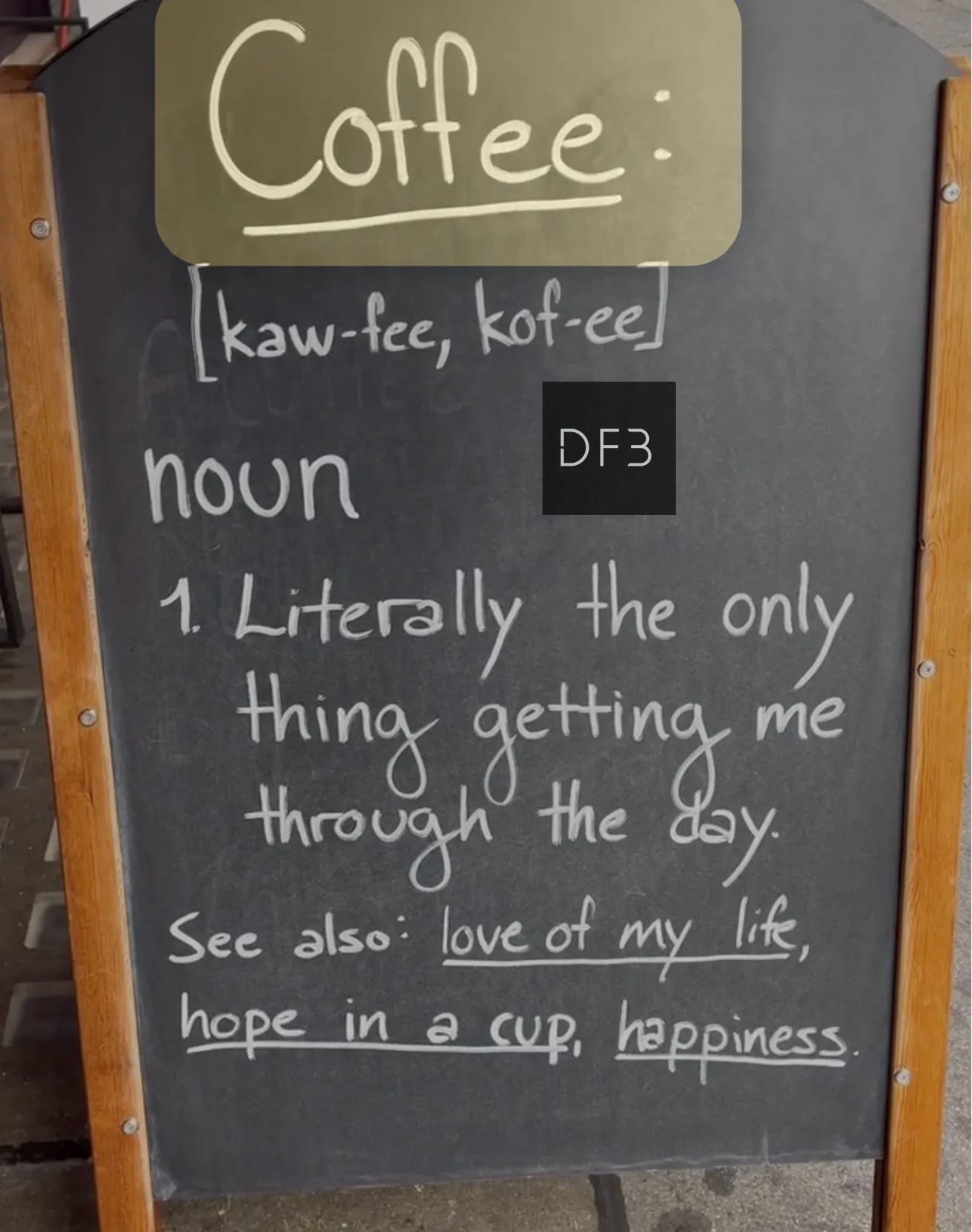
I’ve had bad coffee in Bali. The stuff served in plastic cups at tourist cafes with watery steamed milk and pre-ground beans that were probably roasted six months ago. I mention this to be honest: not every cup on the island is good, and if you’re travelling to Bali and assuming the coffee will be excellent by default, you might be disappointed.
If you know where to look, Bali has one of the most genuinely interesting speciality coffee scenes in Southeast Asia. There are roasters here who source directly from smallholder farms in the Kintamani highlands, pull shots of Indonesian Arabica that could comfortably hold their own in Melbourne or London, and experiment with processing methods (natural, honey, anaerobic) that produce flavour profiles you rarely find outside dedicated speciality cafes.
The coffee culture here is concentrated in Ubud and Canggu, and it has developed rapidly over the last decade. This guide is for anyone who takes coffee seriously and wants to drink well in Bali.
Why Bali’s Coffee Scene Is Worth Taking Seriously
Indonesia is the fourth-largest coffee producer in the world, but for most of its history the best beans left the island and the domestic market kept whatever was left. That has changed significantly, and Bali has been part of that shift. The combination of a large, internationally-minded expat and visitor population, a digital nomad community with high standards for the cafes they spend all day in, and a generation of Indonesian baristas who trained seriously and came home has created a scene with genuine ambition.
The best cafes here are doing pour-overs, siphon brewing, and cold brew with the same care you’d find in Tokyo or Portland. Several are roasting their own beans. And uniquely for almost anywhere in the world, many of them are sourcing from a growing region you can visit — the Kintamani highlands — in a single day trip from Ubud.
The Kintamani Bean — Bali’s Own Single Origin
Kintamani coffee is grown in the highlands surrounding Mount Batur in the north of Bali, at altitudes between 1,200 and 1,700 metres above sea level. The volcanic black soil of this region — the same Mount Batur that pushes scenery into the spectacular — is rich in minerals and creates conditions for slow cherry maturation that produce a distinctly different cup from lowland-grown coffee.
Most Kintamani coffee is Arabica, grown by smallholder farmers in villages like Ulian in Bangli Regency. The farms are typically small, family-run plots alongside vegetable gardens and orchid cultivation. You’ll sometimes find Kintamani sold under specific village or farm names, particularly at specialty cafes that buy directly.
What it tastes like and why it’s different
Kintamani Arabica is known for its bright, clean acidity — something relatively unusual in Indonesian coffee, which is often associated with heavier, earthier profiles from wet-hulled Sumatra or Sulawesi beans. Tasting notes typically include orange and lemon citrus, a gentle sweetness reminiscent of mandarin, medium body, and sometimes background notes of molasses and roasted nut when processed naturally.
The natural process (drying the coffee cherry whole before removing the fruit) produces the most complex and fruit-forward Kintamani coffees. Honey-processed and washed versions are cleaner and brighter. When you see Kintamani on a specialty cafe menu, it’s worth asking which process was used — the difference is significant.
The Best Speciality Coffee Cafes in Ubud
Ubud has had a speciality coffee scene longer than Canggu, and the best cafes here feel lived-in and considered in a way that newly opened places sometimes don’t.
Seniman Coffee Studio
Seniman is widely regarded as the place that put Ubud on the speciality coffee map. It’s been operating since 2010 — ancient by Bali cafe standards — and its roastery has supplied many of the island's serious cafes. The venue is on Jalan Sriwedari, a short walk from the main market, and has a proper brewing bar alongside food and a bookshop. Single-origin pour-overs and excellent espresso-based drinks. Come here first if you’re in Ubud and want to understand what good Balinese coffee looks like.
House of Yoreh and Ubud Coffee Roasters
House of Yoreh is a smaller, quieter space with a serious approach to speciality coffee and a menu that emphasises Indonesian single origins. It’s the kind of place where the staff can explain the difference between two Kintamani lots from different harvest months — which may or may not matter to you, but is a good sign of quality if it does.
Ubud Coffee Roasters has a wide range of filter coffees and is reliable across the board — good for a working morning if you want great coffee alongside decent wifi and a seat you can keep for three hours.
Anomali Coffee, which started in Jakarta and now has branches in Ubud and elsewhere in Bali, is a consistently solid choice for well-sourced Indonesian specialty coffee in a polished setting.
The Best Specialty Coffee Cafes in Canggu
Canggu’s cafe culture is larger in volume and newer in development than Ubud’s. The quality ceiling is high but there’s more variation — for every serious roaster there are three Instagram cafes serving decent lattes in photogenic cups. The ones below are worth seeking out specifically.
Hungry Bird
Hungry Bird is consistently the name that comes up when serious coffee people talk about Canggu. The focus is squarely on single-origin brewing, and the sourcing reflects genuine care — a recent menu featured a West Java Wanoja natural anaerobic processed coffee with tasting notes of blackcurrant, muscat grape, and jasmine. That’s a specific and interesting cup, not a generic “Indonesian coffee” placeholder. It’s also a pleasant space to work from for an hour, which helps.
Nyom Nyom and Blacklist
Nyom Nyom roasts in-house using organic coffee sourced directly from farms in Jempanang, Bali — making it one of the few cafes in Canggu genuinely using local Balinese beans rather than sourcing from other Indonesian islands. The roasting approach is careful and the cafe itself is good for a morning coffee rather than a full day of work.
Blacklist Coffee Roasters is another strong Canggu option with a proper roasting operation and an evolving single-origin menu. Worth checking what’s on the brew bar when you visit.
Expat Roasters, which has multiple locations across south Bali, is a reliable benchmark — not the most exciting option if you’re specifically chasing unusual cups, but consistently well-executed and comfortable.
A Few Practical Notes on Coffee in Bali
Ordering: Specialty cafes in Bali will generally understand “filter coffee”, “pour-over”, “V60”, and “espresso”. “White coffee” typically means a flat white equivalent. If you want something in the style of an Americano, ask for a “long black”. Cappuccinos here are sometimes larger and milkier than European versions.
Kopi tubruk, the traditional Indonesian coffee — coarse grounds steeped directly in hot water with sugar already added — is still available at traditional warungs and is its own excellent thing, entirely separate from the specialty scene. Worth trying at least once.
Bringing beans home: Most specialty cafes and roasters will sell whole beans to take away. Kintamani coffee makes an excellent souvenir that’s genuinely useful. Buy directly from roasters rather than from airport shops or tourist stalls for significantly better quality and price.
Wifi and working: Bali’s cafe culture is deeply intertwined with the digital nomad community, and most specialty cafes expect laptop users. Some have introduced minimum spend or time limits on peak days — check the vibe and tip well if you’re camping for the morning.
Conclusion
Bali’s specialty coffee scene has grown from novelty to genuinely world-class over the past decade, and it shows no signs of slowing down. The combination of excellent local growing conditions, serious roasters, and an internationally curious customer base has created something worth planning around. Seniman in Ubud and Hungry Bird in Canggu are the two places I’d point anyone to first. And if you end up making it to the Kintamani highlands, buy some beans directly from a farm — the freshness alone makes it worth it.
If you have a favourite cafe in Bali that I haven’t mentioned, I’d love to hear about it below. The list keeps growing.
FAQs
1. What is Kintamani coffee?
Kintamani coffee is Arabica coffee grown in the highlands around Mount Batur in north Bali, at altitudes between 1,200 and 1,700 metres above sea level. It’s known for its clean, bright citrus acidity — with notes of mandarin, orange, and lemon — and a medium body. It’s one of Indonesia’s most distinctive single-origin coffees and is produced primarily by smallholder farmers in Ulian Village, Bangli Regency.
2. Where is the best speciality coffee in Ubud?
Seniman Coffee Studio on Jalan Sriwedari is widely considered the best and most established speciality cafe in Ubud, operating since 2010 and roasting its own beans. House of Yoreh, Ubud Coffee Roasters, and Anomali Coffee are also worth visiting for serious specialty coffee.
3. Where is the best speciality coffee in Canggu?
Hungry Bird is consistently recommended as the top speciality coffee destination in Canggu, with a focus on single-origin filter coffee. Nyom Nyom (which roasts in-house using Balinese-grown beans), Blacklist Coffee Roasters, and Expat Roasters are all solid options.
4. Is the coffee in Bali good?
It depends entirely on where you go. Bali has an excellent speciality coffee scene concentrated in Ubud and Canggu, with serious roasters using Indonesian single-origin beans. Outside of dedicated speciality cafes, quality varies considerably. Knowing which places to seek out makes a significant difference.
5. What does Kintamani coffee taste like?
Kintamani Arabica is known for bright citrus acidity, with notes of orange, lemon, and mandarin, a medium body, and gentle sweetness. Naturally processed versions are more fruit-forward and complex; washed versions are cleaner and brighter. It’s an unusually light and citrus-driven profile compared to most Indonesian coffee.
6. Can I visit a coffee farm in Kintamani?
Yes — Kintamani is accessible as a day trip from Ubud (approximately 45 minutes by car) and is commonly combined with a Mount Batur visit. Several farms in the area offer informal tours and direct sales. The combined drive through the caldera highlands is beautiful regardless of coffee interest.
7. What is kopi tubruk?
Kopi tubruk is traditional Indonesian coffee made by steeping coarse grounds directly in hot water, typically with sugar already added. The grounds settle to the bottom. It’s the way most Balinese people drink coffee at home and in warungs, and it’s very different from speciality espresso — try it at a local warung at least once.
8. Can I bring Bali coffee home as a souvenir?
Yes — whole bean Kintamani coffee from a roaster or farm is an excellent souvenir. Buy from speciality cafes or roasters directly rather than from airport shops or tourist markets for better quality and value. Many roasters also sell online, if you want to order again after returning home.
9. Do Bali cafes have good wifi for working?
Most speciality cafes in Ubud and Canggu have wifi and expect laptop users — it’s embedded in the digital nomad culture here. Speed varies. Some cafes in popular areas have introduced minimum spend requirements or time limits on busy days. Arriving early and ordering properly (and tipping) goes a long way.
10. What’s the difference between filter coffee and espresso in Bali speciality cafes?
Filter coffee (pour-over, V60, drip) extracts coffee with hot water flowing through grounds by gravity, producing a clean, detailed cup that highlights origin character. Espresso forces pressurised hot water through finely ground coffee, producing a concentrated shot used as the base for flat whites, lattes, and cappuccinos. Most specialty cafes in Bali offer both. Filter is the better format for appreciating Kintamani’s citrus character.
A note from Annie
Destined for Bali shares my personal experiences, opinions, and independent research. Everything I write reflects what I’ve found to be true at the time of publishing — but Bali changes constantly, and what works for me may not work for you. Always do your own research and seek qualified professional advice before making decisions about travel, visas, property, business, health, or anything else that matters. Some links in my posts are affiliate links, meaning I may earn a small commission at no extra cost to you. Sponsored content is always clearly labelled. Read the full Terms and Privacy Policy.